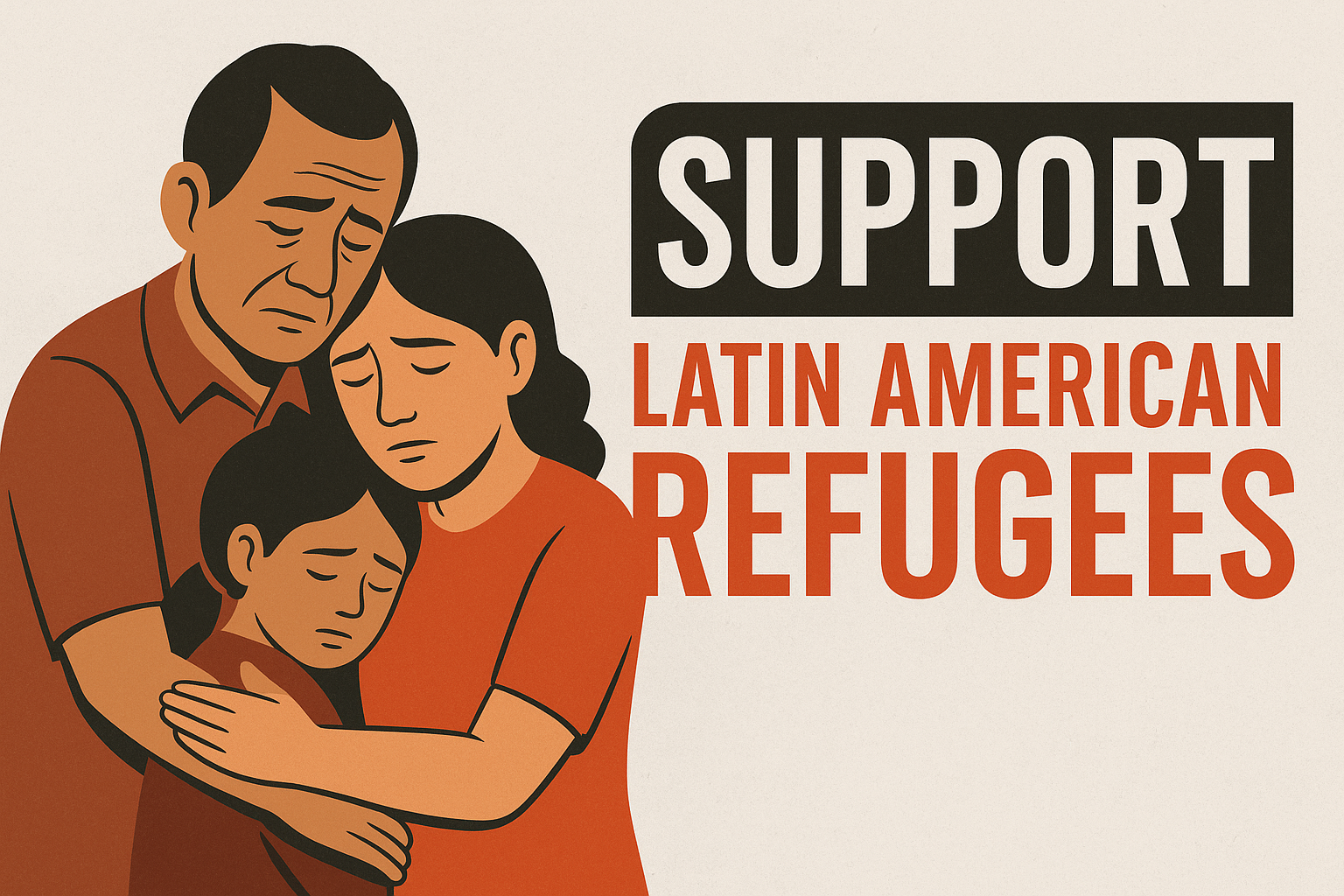
In recent years, the Netherlands has become a growing destination for Latin American asylum seekers fleeing political persecution, economic collapse, and state repression. Many come from countries such as Cuba, Venezuela, and Nicaragua, where authoritarian regimes have dismantled democratic institutions and violated fundamental rights. While their stories are urgent and their claims often legitimate, Latin American refugees in the Netherlands face unique obstacles that set them apart from other asylum groups—and too often, leave them invisible within the system.
An Unequal Asylum Process
The Dutch asylum system, administered by the Immigration and Naturalisation Service (IND), offers protection to those fleeing danger. However, recognition rates vary widely depending on nationality. While Syrian or Afghan refugees often receive protection status in over 90% of cases, Latin American applicants face far more uncertainty. For example:
- In 2023, the recognition rate for Nicaraguan asylum seekers in the Netherlands was high—approximately 83%—reflecting the severity of political persecution under the Ortega regime.
- In contrast, Venezuelans and Cubans often face lower success rates, despite credible claims of repression. Bureaucratic delays, lack of country-specific expertise, and inconsistency in evaluations can lead to unjust rejections or prolonged procedures.
This disparity raises critical questions about equity and awareness in the asylum process.
Barriers Beyond Bureaucracy
Beyond legal procedures, Latin American refugees also struggle with linguistic and cultural barriers. Many arrive with limited or no knowledge of Dutch or English, making it difficult to navigate asylum interviews, legal assistance, and integration programs. Unlike refugees from larger, more recognized asylum communities, they often lack culturally adapted support networks or interpreters in Spanish.
Furthermore, there is a lack of institutional visibility. Most Dutch refugee policies and services are not tailored to Latin American realities. Refugees from the region frequently report feeling isolated and misunderstood, especially when compared to the more structured support offered to Ukrainian or Middle Eastern refugees.
“We fled political persecution just like others, but we’re often treated like economic migrants,” says María, a Cuban activist seeking asylum in the Netherlands. “It’s as if our repression doesn’t count.”
A Growing Population, A Limited Response
While Latin Americans represent a smaller percentage of total asylum applicants in the Netherlands, their numbers are rising. According to UNHCR and Dutch government figures:
- In 2024, the Netherlands registered 2,417 Cuban and 478 Venezuelan asylum seekers.
- Exact numbers for Nicaraguans are less transparent but have steadily increased, especially since the 2018 crackdown in Nicaragua.
- These figures are part of a broader trend across Europe, where over 105,000 Cubans and 200,000 Venezuelans applied for asylum globally in 2023.
Yet, the visibility and representation of these groups in the Dutch public and political discourse remains minimal.
The Need for Targeted Support and Recognition
Latin American refugees in the Netherlands urgently need greater institutional support, equitable treatment, and public recognition. This includes:
- Improved country-specific expertise within IND case evaluations.
- More accessible legal and translation services in Spanish.
- Integration programs designed with Latin American experiences in mind.
- Stronger partnerships with diaspora organizations and civil society actors.
Organizations like Foundation NewGeneration are working to fill this gap, offering legal support, advocacy, and community-building for Latin Americans navigating the Dutch asylum system.
Conclusion
The story of Latin American refugees in the Netherlands is not just one of displacement—it is also one of perseverance, dignity, and resilience. But without targeted policy responses and a commitment to justice, their journey will remain far more difficult than it needs to be.
No refugee should be invisible. It’s time to ensure that Latin American voices are heard, supported, and protected—just like any other.
