
Nicaragua Under Siege: Repression, Exile, and the Collapse of Civil Liberties
Nicaragua faces a grave human rights crisis marked by authoritarian rule, mass political imprisonment, and the forced exile of opposition voices and civil society leaders.
Historical Context of Nicaragua’s Crisis
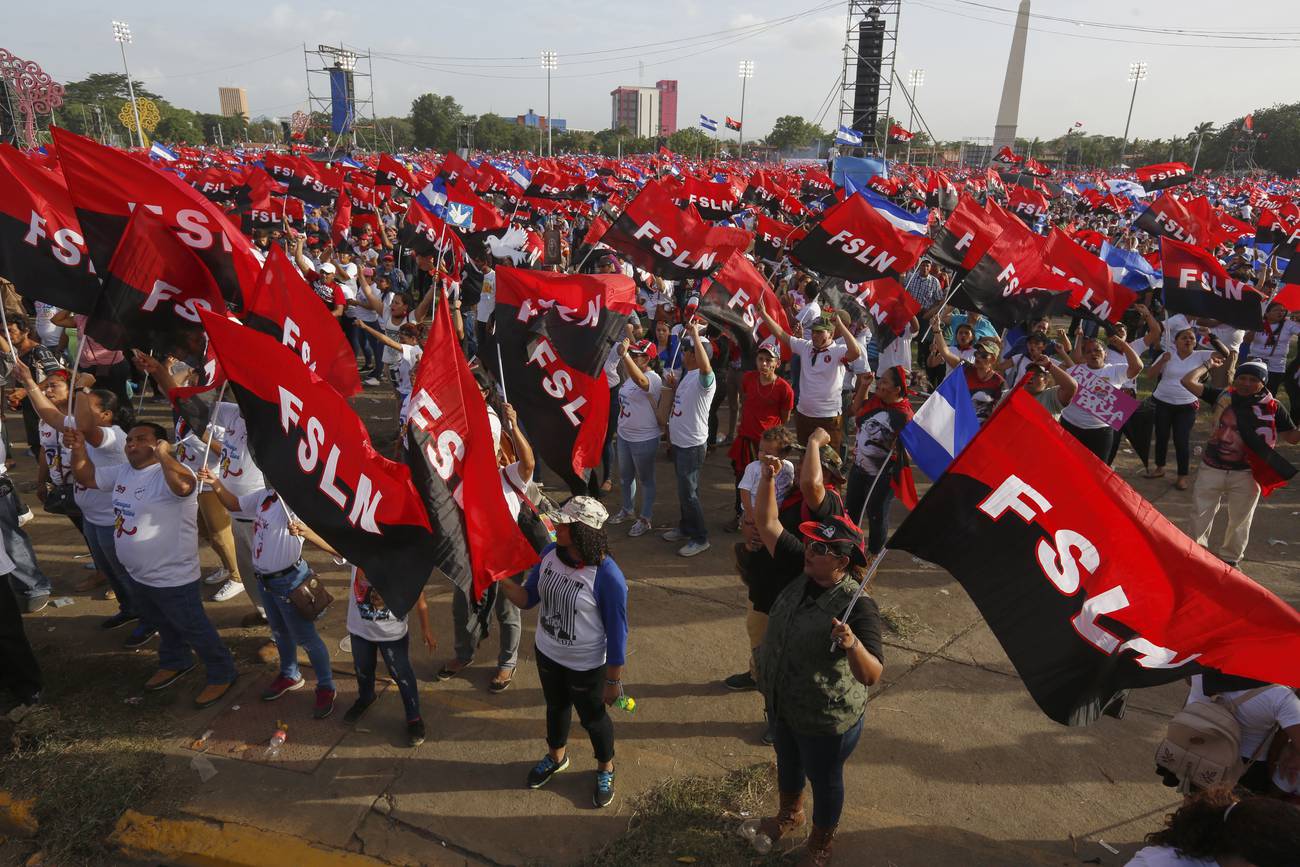
Nicaragua’s current authoritarian crisis traces back to the consolidation of power by Daniel Ortega, who returned to the presidency in 2007 after leading the Sandinista revolution in the 1980s. Since then, Ortega has systematically dismantled democratic institutions, eliminated presidential term limits, co-opted the judiciary and electoral bodies, and concentrated power within his family and close allies.
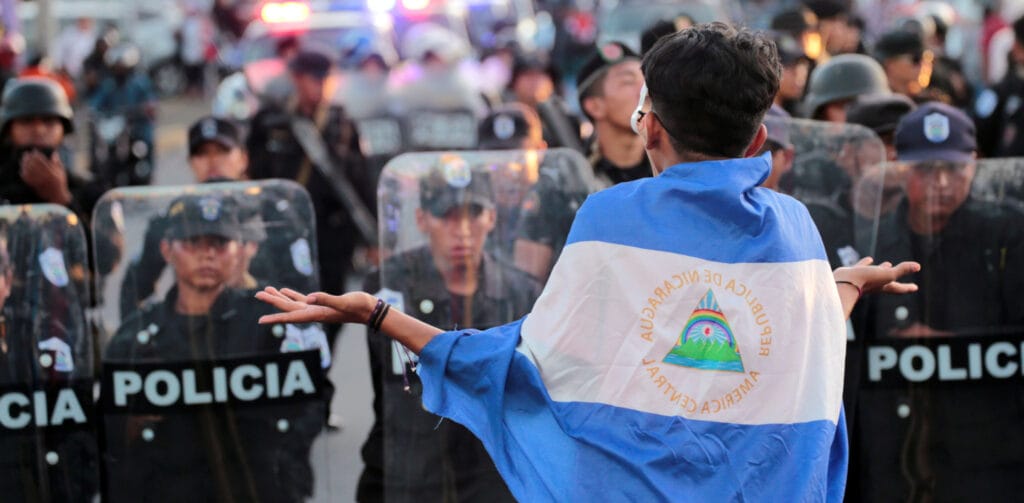
The tipping point came in April 2018, when peaceful protests against pension reforms sparked a nationwide uprising. The government responded with brutal repression, resulting in over 300 deaths, thousands of injuries, and widespread arbitrary arrests. Civil liberties were dismantled, independent media and NGOs were shut down, and opposition leaders were exiled, imprisoned, or disqualified from political participation.

Read our reports
Political Repression and Closure of Civic Space
Over 140 political prisoners, including opposition leaders, students, priests, and journalists.
More than 3,000 NGOs have been shut down since 2018, silencing civil society.
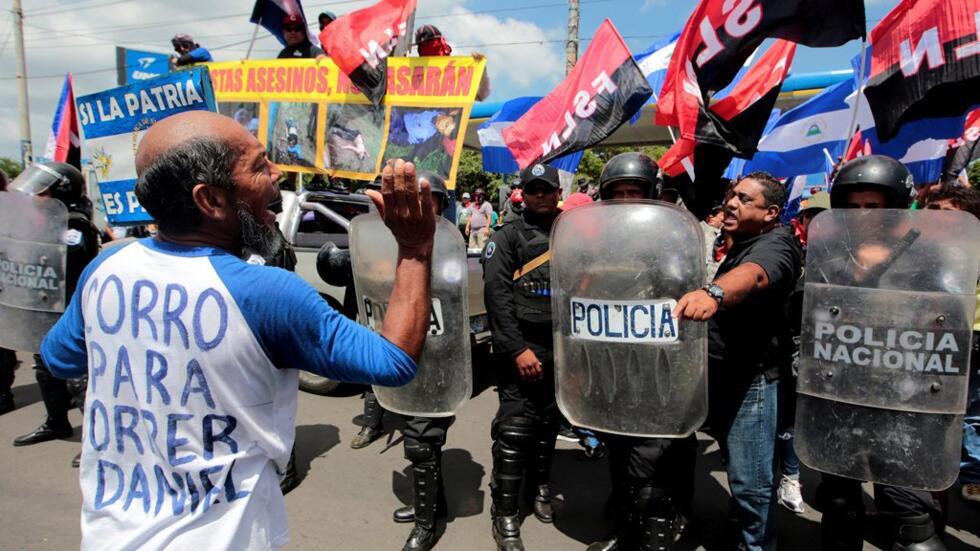
Peaceful protests are banned and criminalized, with arbitrary arrests and excessive use of force.
Power Concentration and Authoritarianism
Daniel Ortega and Rosario Murillo hold absolute power, with no checks and balances.
Elections lack legitimacy, with no real competition or independent observation.
Judicial and legislative branches are fully co-opted, serving as tools of repression.
Exile, Censorship, and Religious Persecution
Thousands of Nicaraguans have fled the country, including activists, students, and clergy.
Independent media outlets have been shut down, and journalism is criminalized.
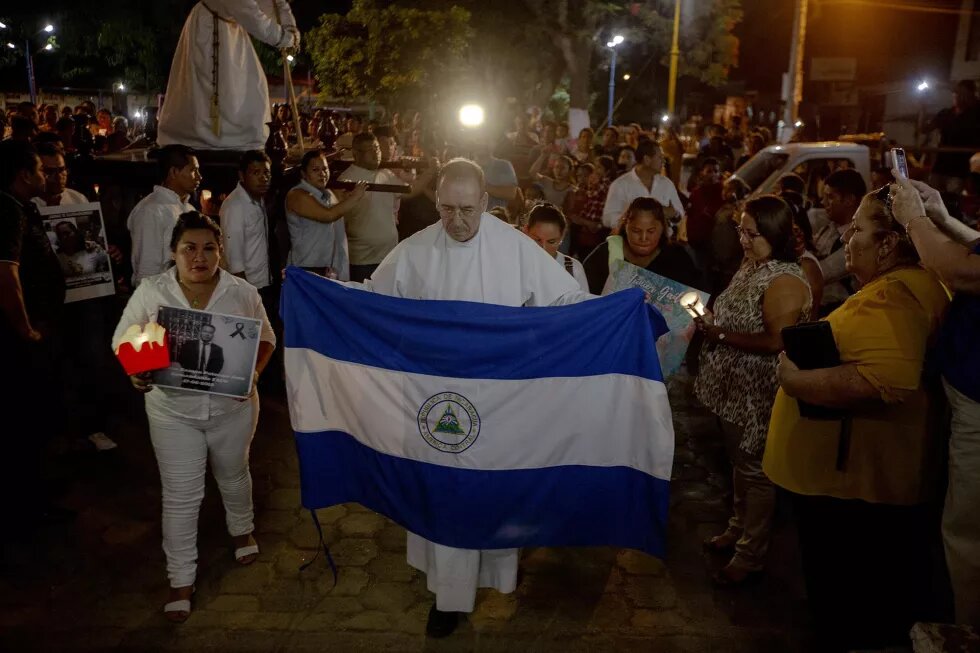
The Catholic Church is under attack, with religious orders expelled and clergy—like Bishop Rolando Álvarez—imprisoned.
Political Repression and Closure of Civic Space
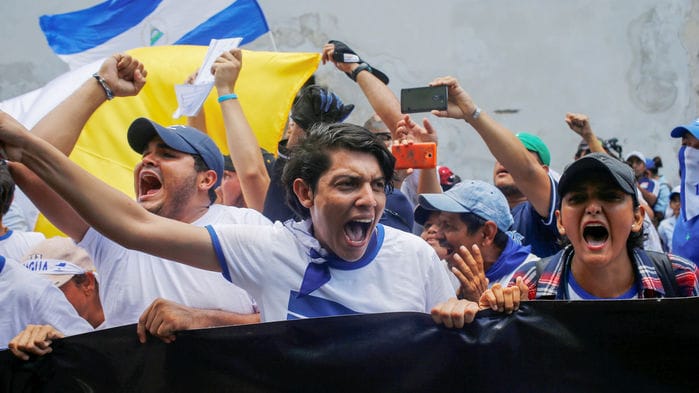
Nicaragua is experiencing a deep authoritarian crackdown in which political repression and the closure of civic space have become state policy. Over 140 political prisoners remain behind bars, including opposition leaders, students, and priests, many held without due process or in inhumane conditions. Since 2018, more than 3,000 civil society organizations have been shut down, and public demonstrations are effectively banned. The regime criminalizes dissent, silences independent voices, and uses legal and extralegal means to maintain control, leaving no room for free expression, peaceful assembly, or democratic participation.
Forced Displacement and Statelessness
The Nicaraguan government has systematically dismantled academic freedom as part of its broader authoritarian agenda. Dozens of universities have been stripped of their autonomy, intervened, or forcibly closed—particularly those that served as spaces for civic engagement or protest. Professors and students have been expelled, detained, or exiled for expressing dissenting views or participating in demonstrations. Academic programs are increasingly controlled by the state and reoriented to promote loyalty to the regime, erasing independent thought and critical inquiry from the national education system.
Legal Arbitraryism and Lack of Due Process
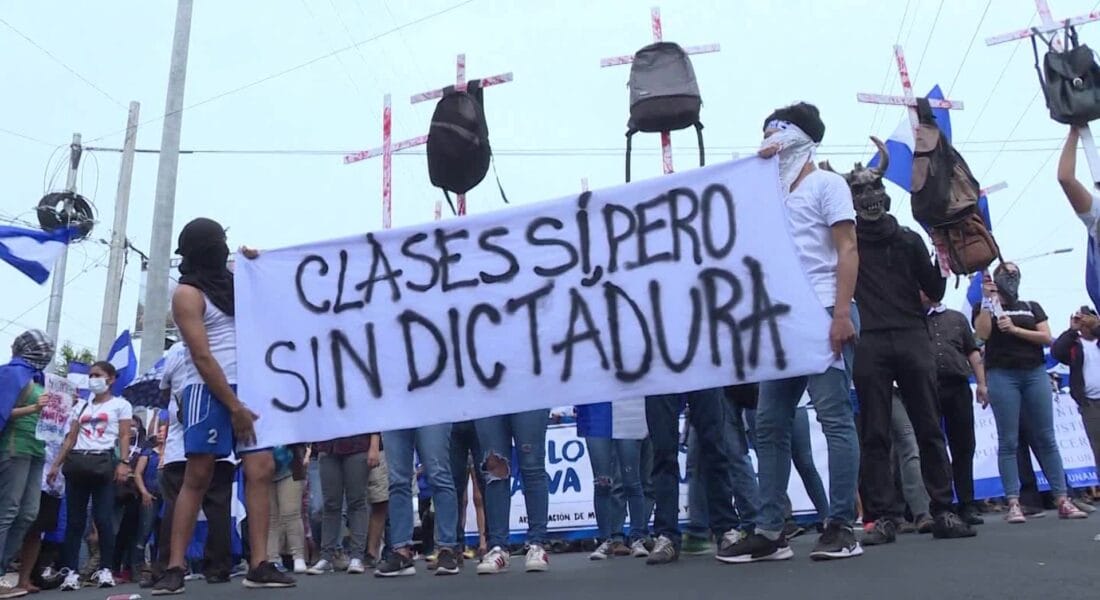
In Nicaragua, the legal system functions as a tool of political persecution rather than justice. Political detainees are often arrested without warrants, held incommunicado, and subjected to closed-door trials without legal defense or evidence. The government enforces vague and repressive laws—such as those against “treason,” “cybercrimes,” or “undermining sovereignty”—to criminalize peaceful dissent. Dozens of critics, including lawyers, journalists, and clergy, have been stripped of their citizenship and rendered stateless through arbitrary legal decrees, violating basic principles of due process and international human rights law.
Forced Displacement and Statelessness
Since the 2018 crackdown, more than 600,000 Nicaraguans have fled the country to escape persecution, violence, and political repression. The Ortega-Murillo regime has deliberately used exile as a tool of punishment, expelling critics and denying them re-entry. In a sweeping move, the government revoked the citizenship of over 300 dissidents, including writers, activists, clergy, and former political leaders—rendering them stateless and without legal protection. This unprecedented action violates international law and has left thousands of Nicaraguans in exile, stripped of identity, rights, and the ability to return to their homeland.
Faces of repression
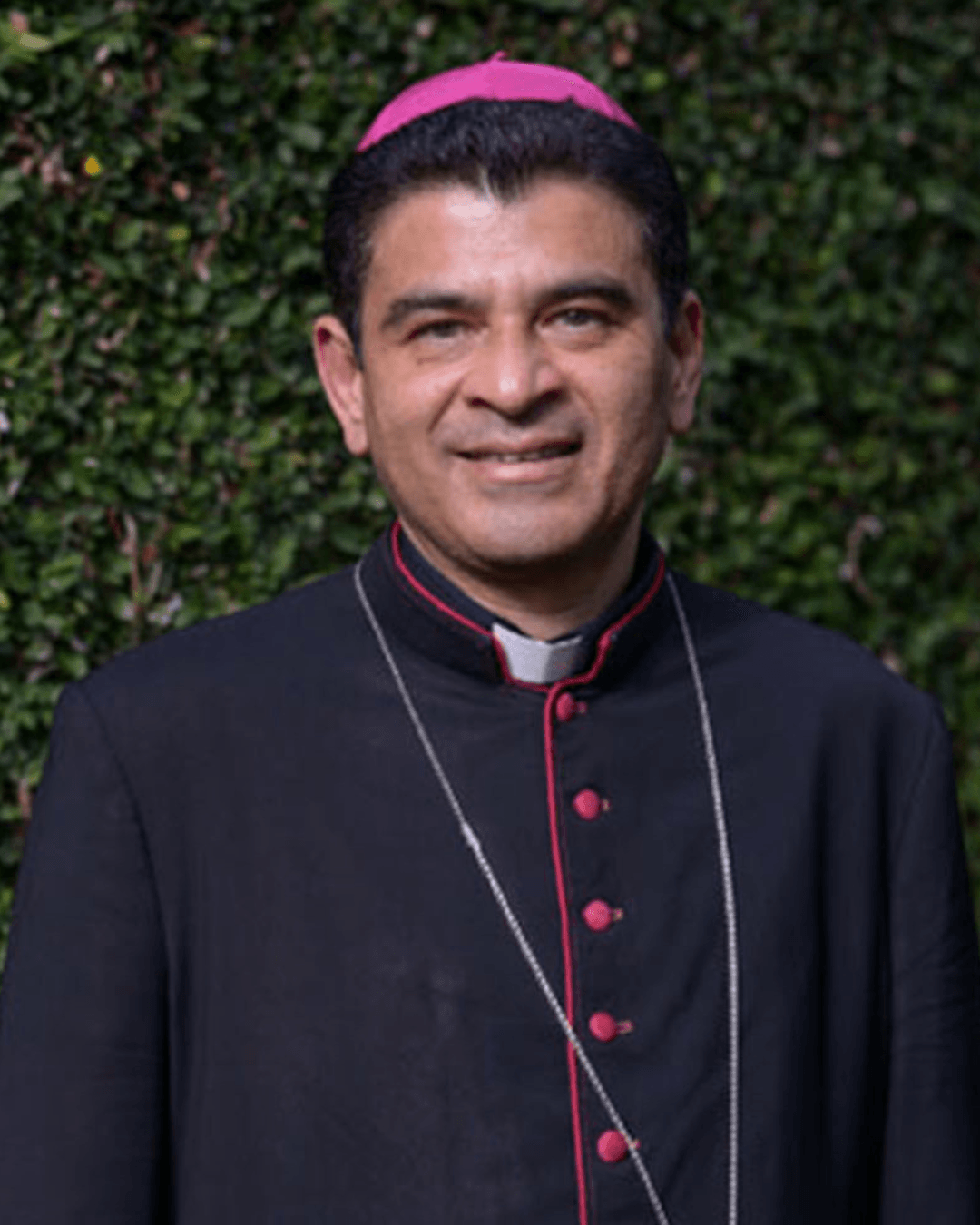
Monsignor Rolando Álvarez
Monsignor Rolando Álvarez is a Catholic bishop and prominent critic of the Nicaraguan regime. He was arrested in August 2022 for denouncing human rights abuses and advocating for dialogue. In February 2023, he was sentenced to 26 years in prison for alleged “treason” after refusing forced exile. Held in harsh conditions and denied due process, Álvarez became a symbol of religious persecution in Nicaragua. Despite international pressure, he remained imprisoned until his forced exile in January 2024.
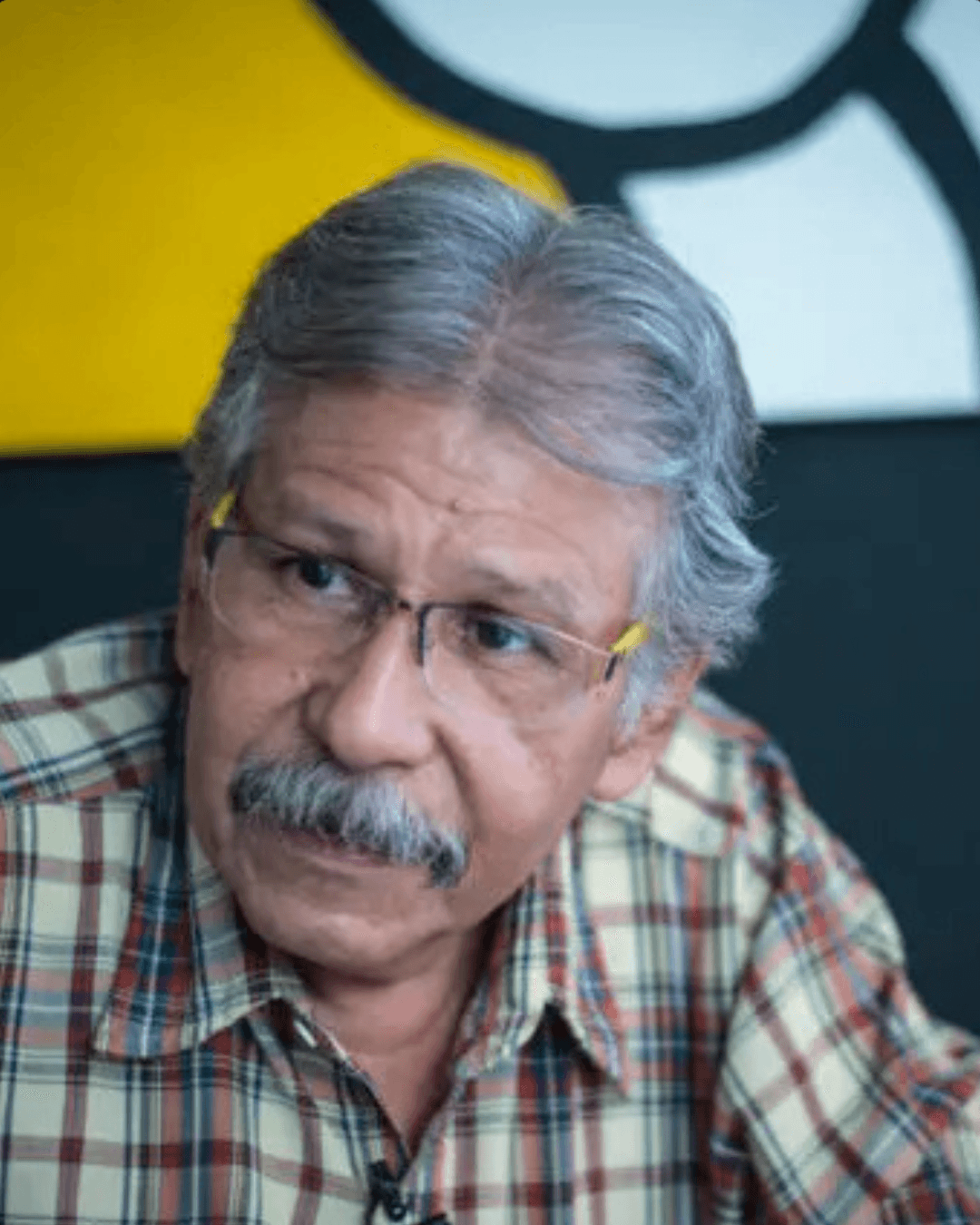
Freddy Antonio Quezada
Freddy Antonio Quezada is a retired university professor and academic detained by the Nicaraguan government in November 2023. He was arrested on charges of “inciting hatred” for allegedly expressing critical views of the regime. Quezada spent nearly a year in detention under harsh conditions, without due process. In September 2024, he was forcibly exiled to Guatemala along with other political detainees, highlighting the regime’s continued crackdown on intellectuals and educators.
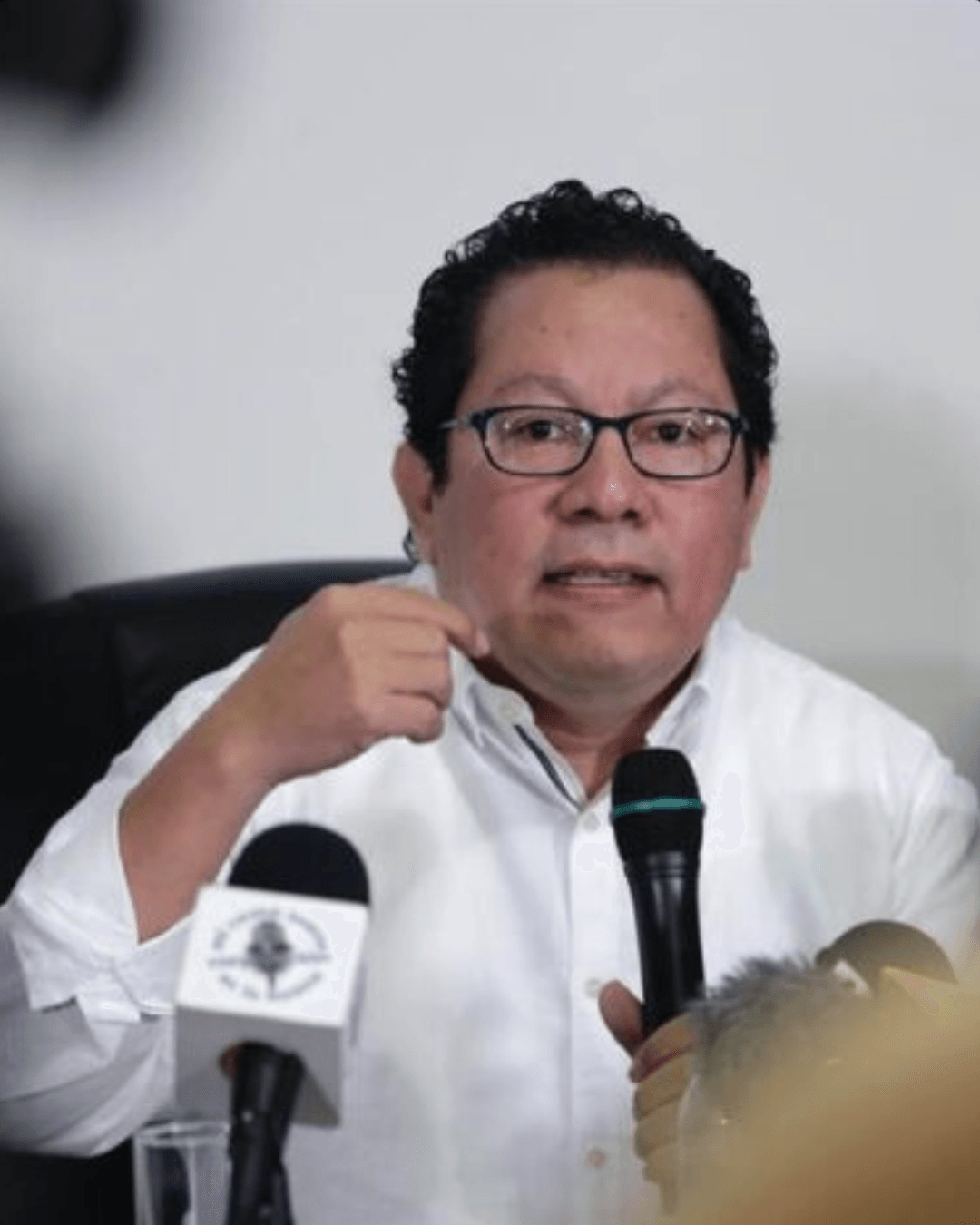
Miguel de los Ángeles Mora
Monsignor Rolando Álvarez is a Catholic bishop and prominent critic of the Nicaraguan regime. He was arrested in August 2022 for denouncing human rights abuses and advocating for dialogue. In February 2023, he was sentenced to 26 years in prison for alleged “treason” after refusing forced exile. Held in harsh conditions and denied due process, Álvarez became a symbol of religious persecution in Nicaragua. Despite international pressure, he remained imprisoned until his forced exile in January 2024.
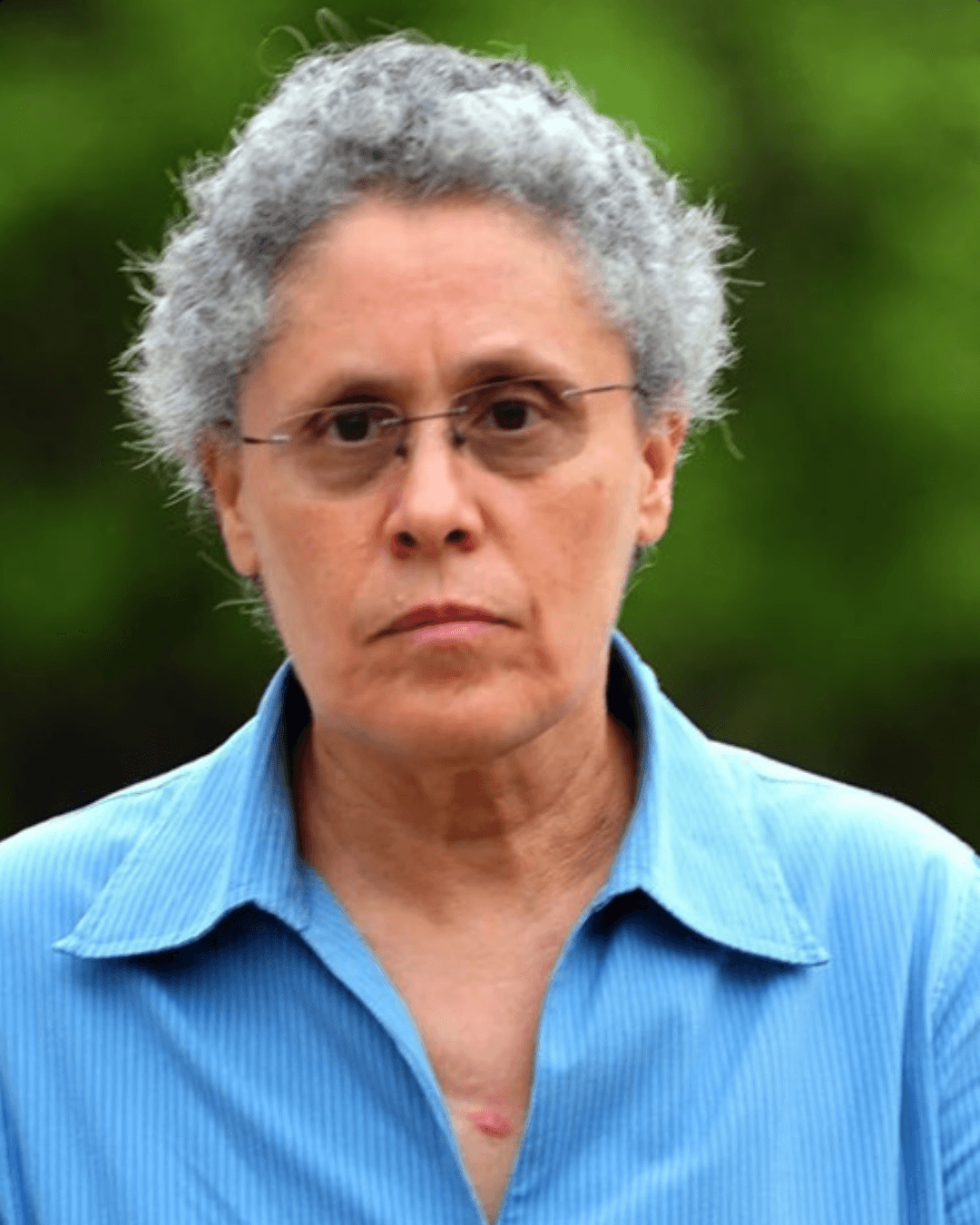
Dora María Téllez
Freddy Antonio Quezada is a retired university professor and academic detained by the Nicaraguan government in November 2023. He was arrested on charges of “inciting hatred” for allegedly expressing critical views of the regime. Quezada spent nearly a year in detention under harsh conditions, without due process. In September 2024, he was forcibly exiled to Guatemala along with other political detainees, highlighting the regime’s continued crackdown on intellectuals and educators.