Cuba, more than 60 decades of systematic repression
Cuba is experiencing a severe and ongoing human rights crisis marked by authoritarian control, the criminalization of dissent, and systematic repression of civil liberties.
The next launch is on March 13, March 27 and April 10
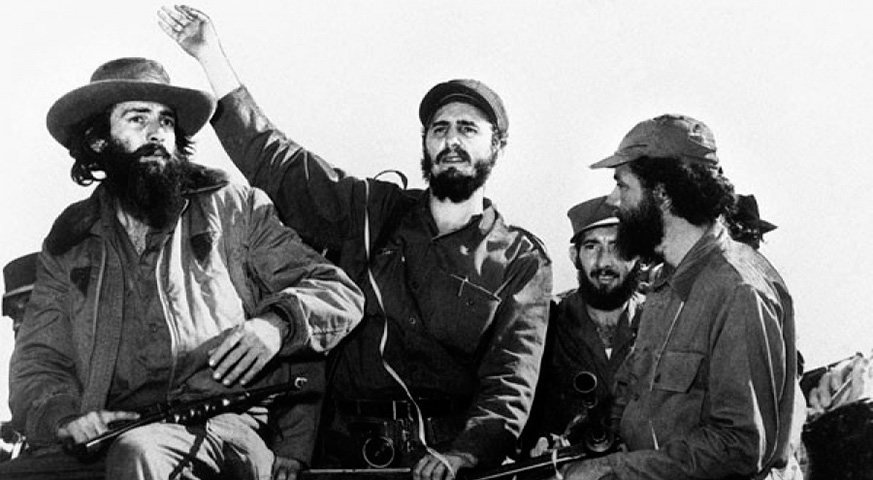
Cuba has been under a one-party communist regime since the 1959 revolution led by Fidel Castro. After overthrowing the Batista dictatorship, the new government established a centralized state, suppressing political pluralism, civil society, and independent media. Over the decades, Cuba has maintained strict control over its population through pervasive surveillance, censorship, and repression of dissent. While the revolution initially promised social justice and equality, it quickly evolved into an authoritarian model that criminalized opposition and curtailed basic freedoms.
No political pluralism: only one legal party, with no space for opposition groups.
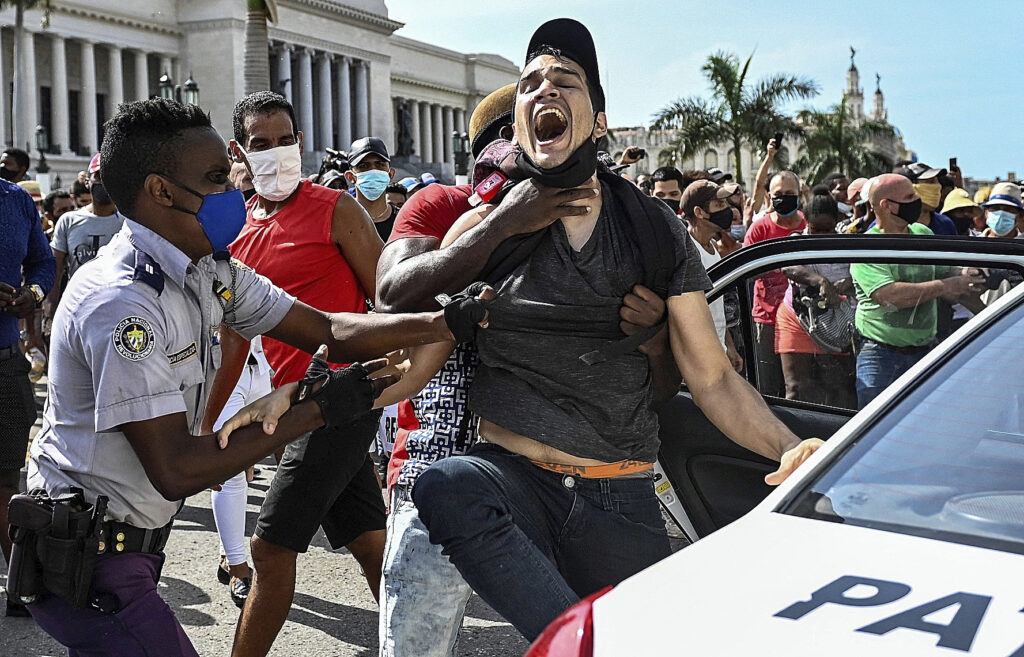
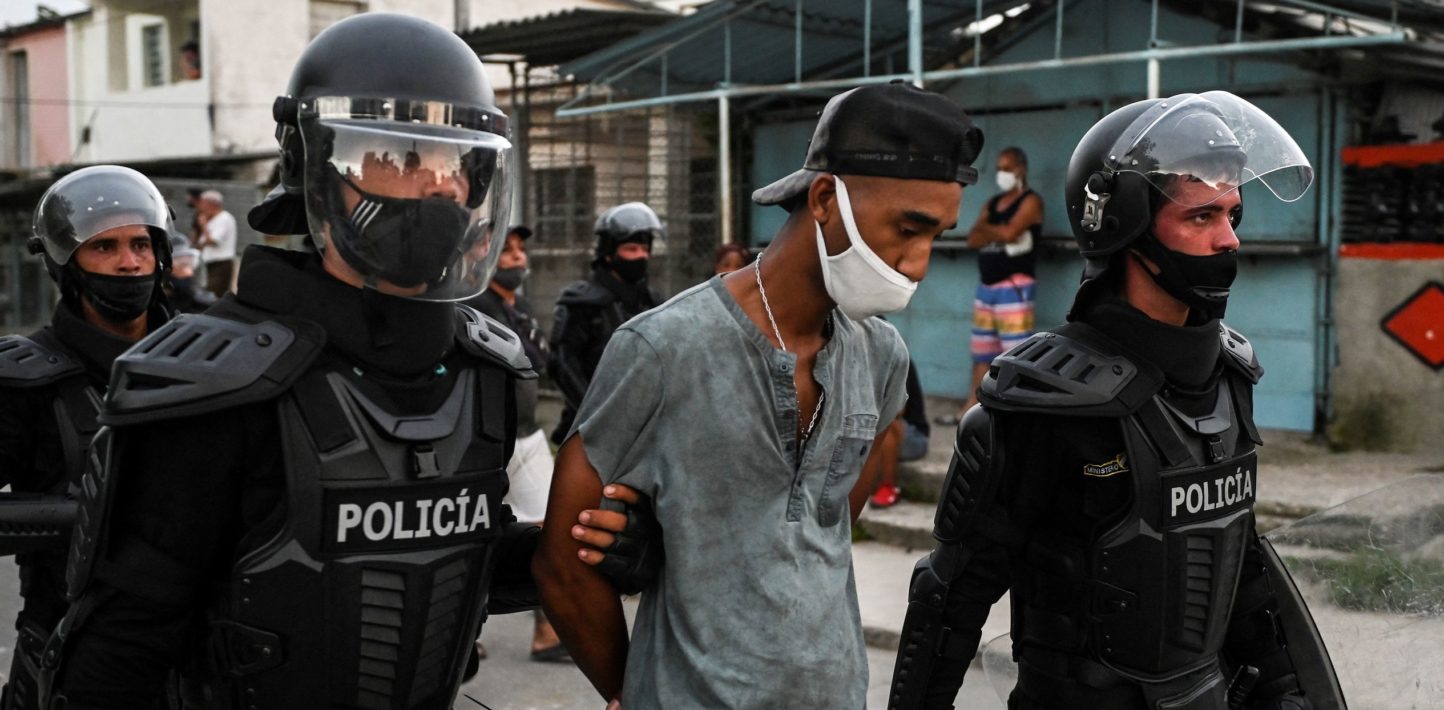
Severe restrictions on freedom of assembly: peaceful protests are criminalized.
Cultural and educational censorship: art, education, and religion are tightly controlled by the state.
Persecution of Civil Society
Independent NGOs and civic movements are outlawed or denied legal status.
Activists face constant surveillance, harassment, or forced exile to silence their efforts.
Humanitarian and community work is criminalized when conducted outside state control.
Impunity and Absence of Rule of Law
The judiciary lacks independence and operates under political influence.
No accountability mechanisms for human rights violations by state actors.
Access to justice is systematically denied, especially for victims of political repression.
Political Prisoners and Repression
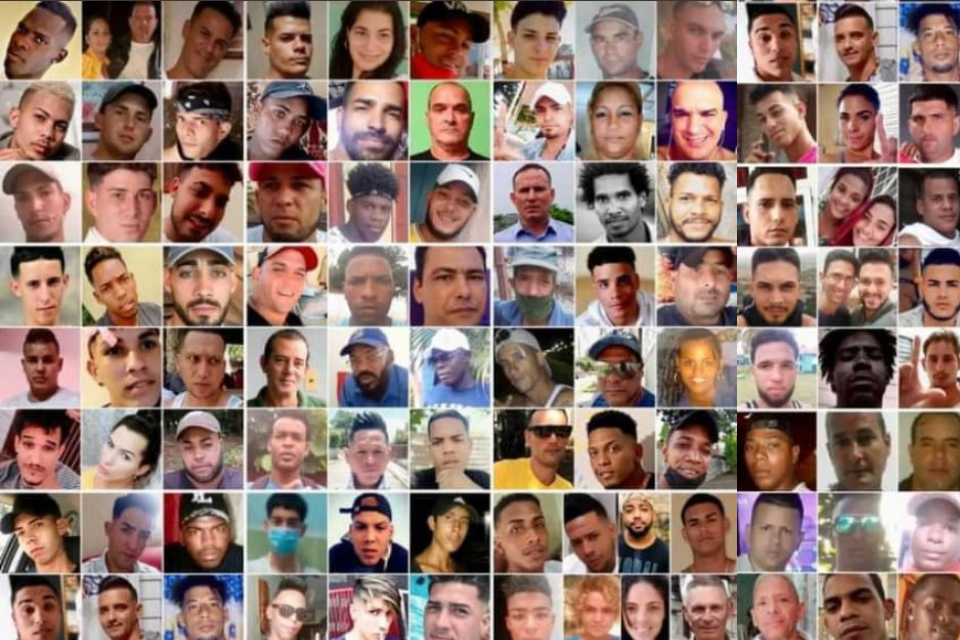
As of mid-2025, there are over 1,000 documented political prisoners in Cuba. These include human rights defenders, members of opposition movements like Cuba Decide and UNPACU, independent artists associated with the San Isidro Movement, and ordinary citizens punished for expressing discontent online or in public. Torture, solitary confinement, denial of medical care, and family visits are among the abuses reported.
Freedom of Expression and Digital Censorship
Cuba maintains tight control over the internet and digital communication. Access is expensive, limited, and subject to frequent blackouts—especially during moments of social unrest. Government surveillance of online activity is widespread, and state agents actively target those who speak out through social media or messaging platforms. Independent journalism is criminalized, and foreign media is heavily restricted.
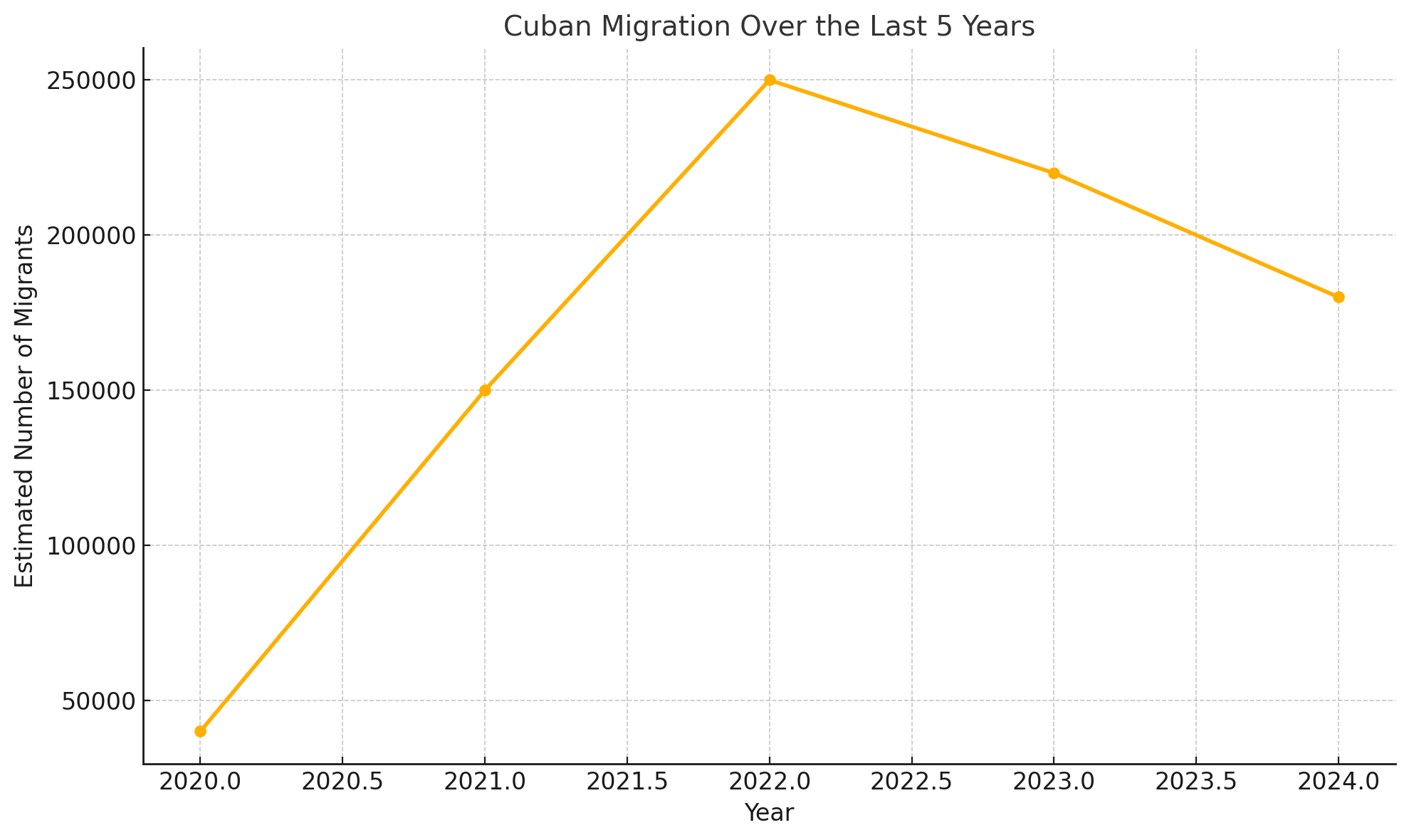
Impact on Daily Life and Migration
Worsening economic conditions, scarcity of food, fuel, and medicine, and lack of basic freedoms have led to one of the largest waves of migration in Cuba’s history. Over 500,000 Cubans have left the country since 2022, seeking asylum in countries like the United States, Spain, and Mexico. Repression, rather than improving conditions, has intensified in response to the growing discontent.
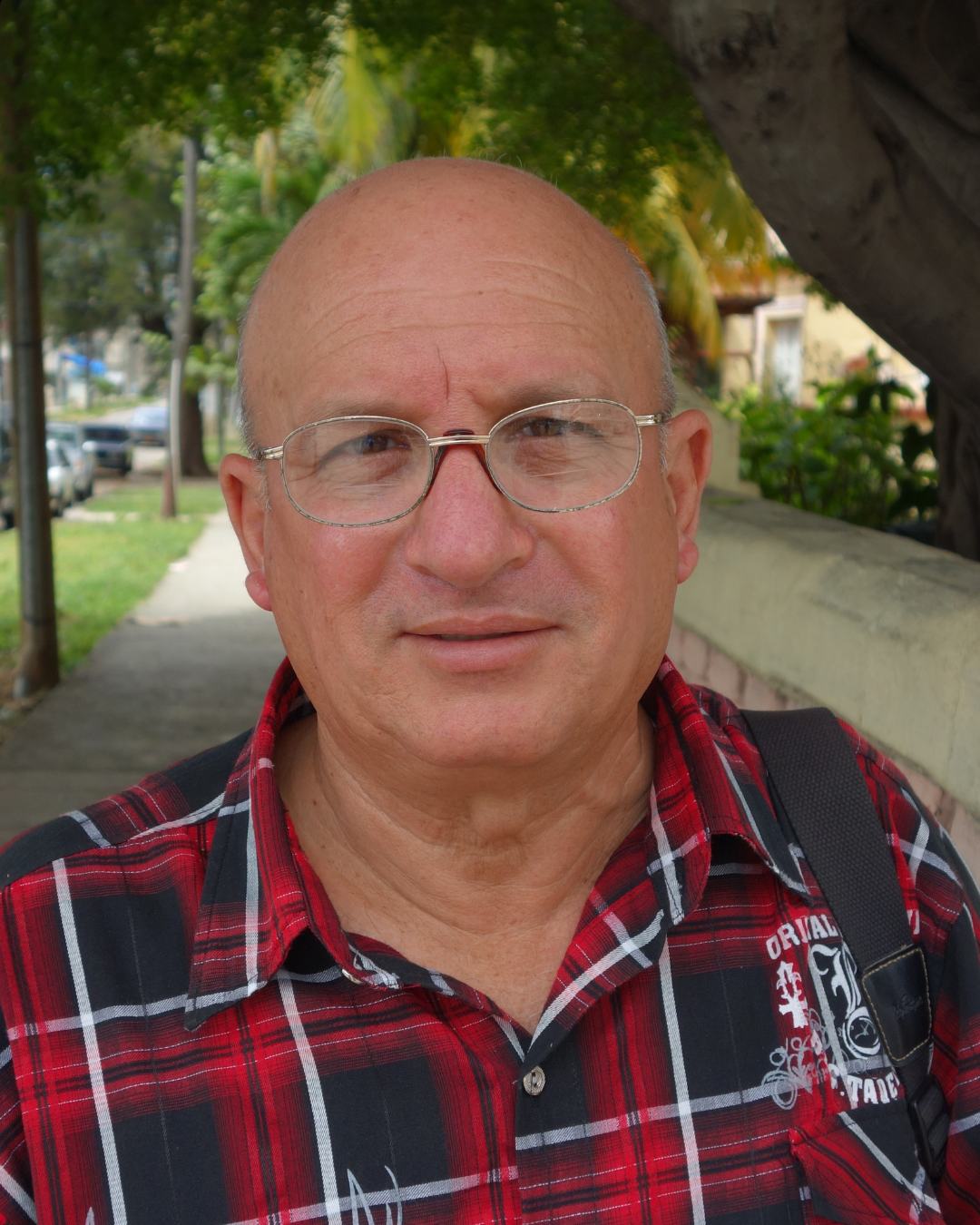
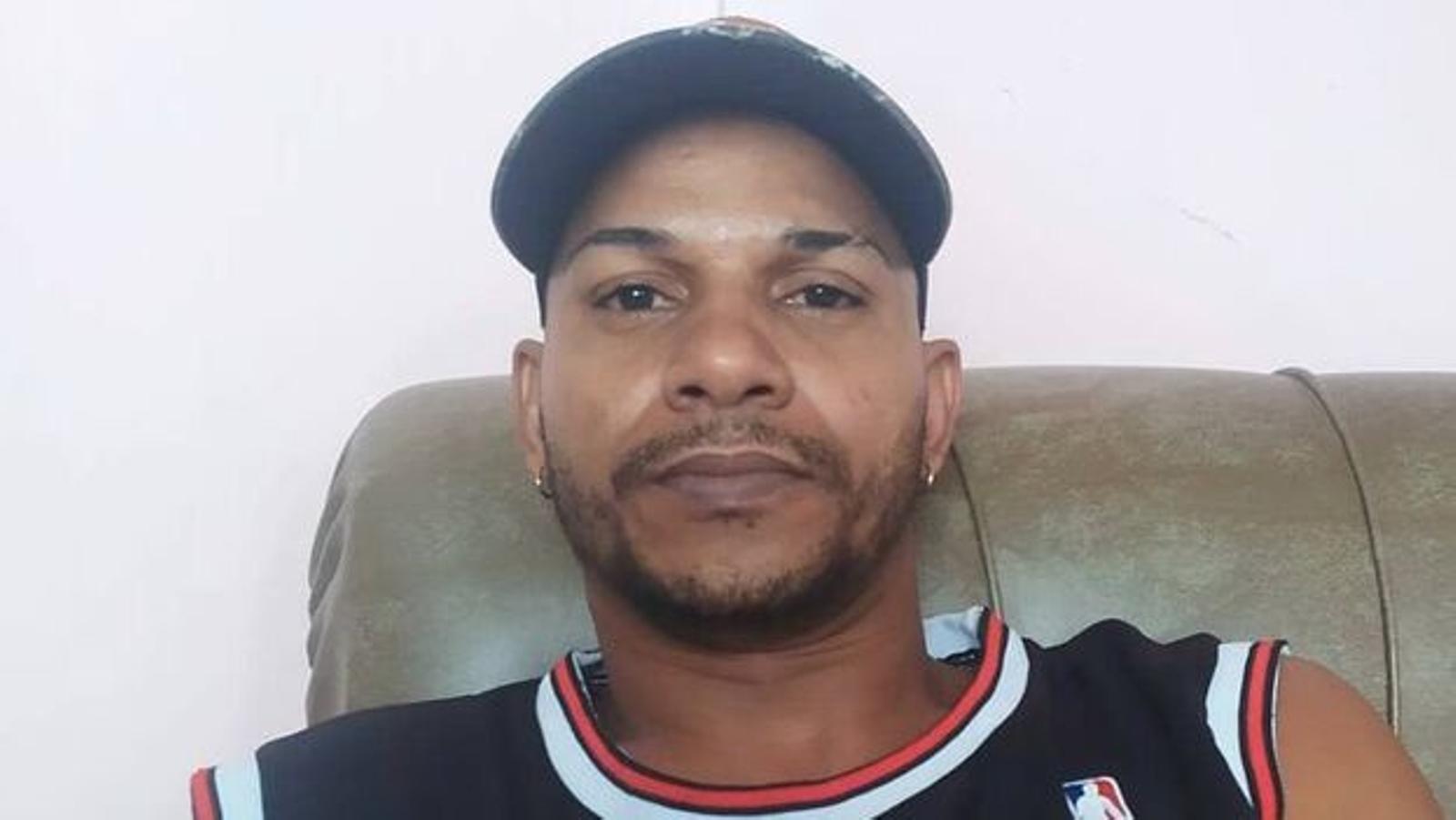
Faces of repression
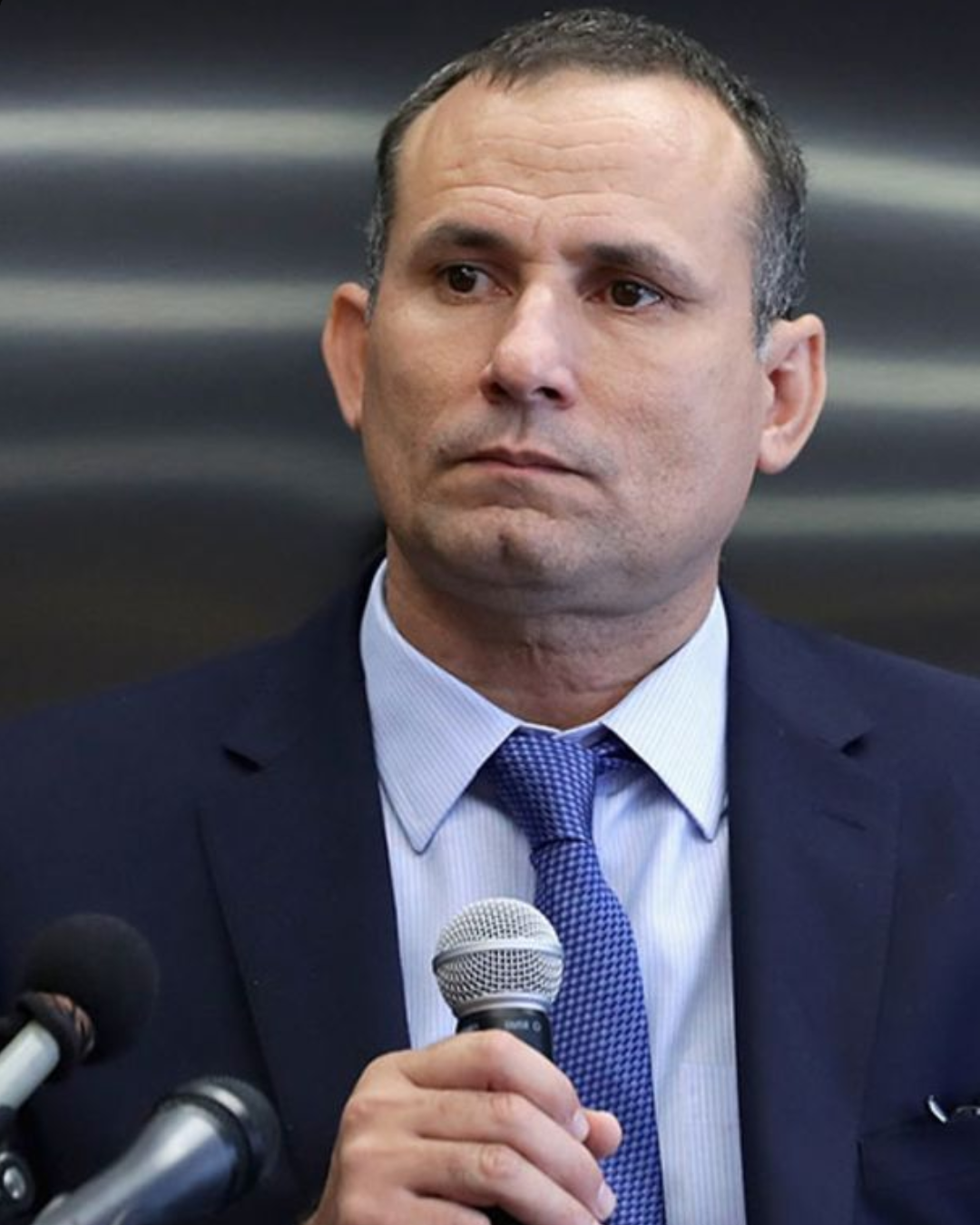
Jose Daniel Ferrer
Leader of UNPACU, re-arrested on April 29, 2025 after his parole was revoked. Previously participated in the 2003 Black Spring and detained again following the July 11, 2021 protests
Cuba
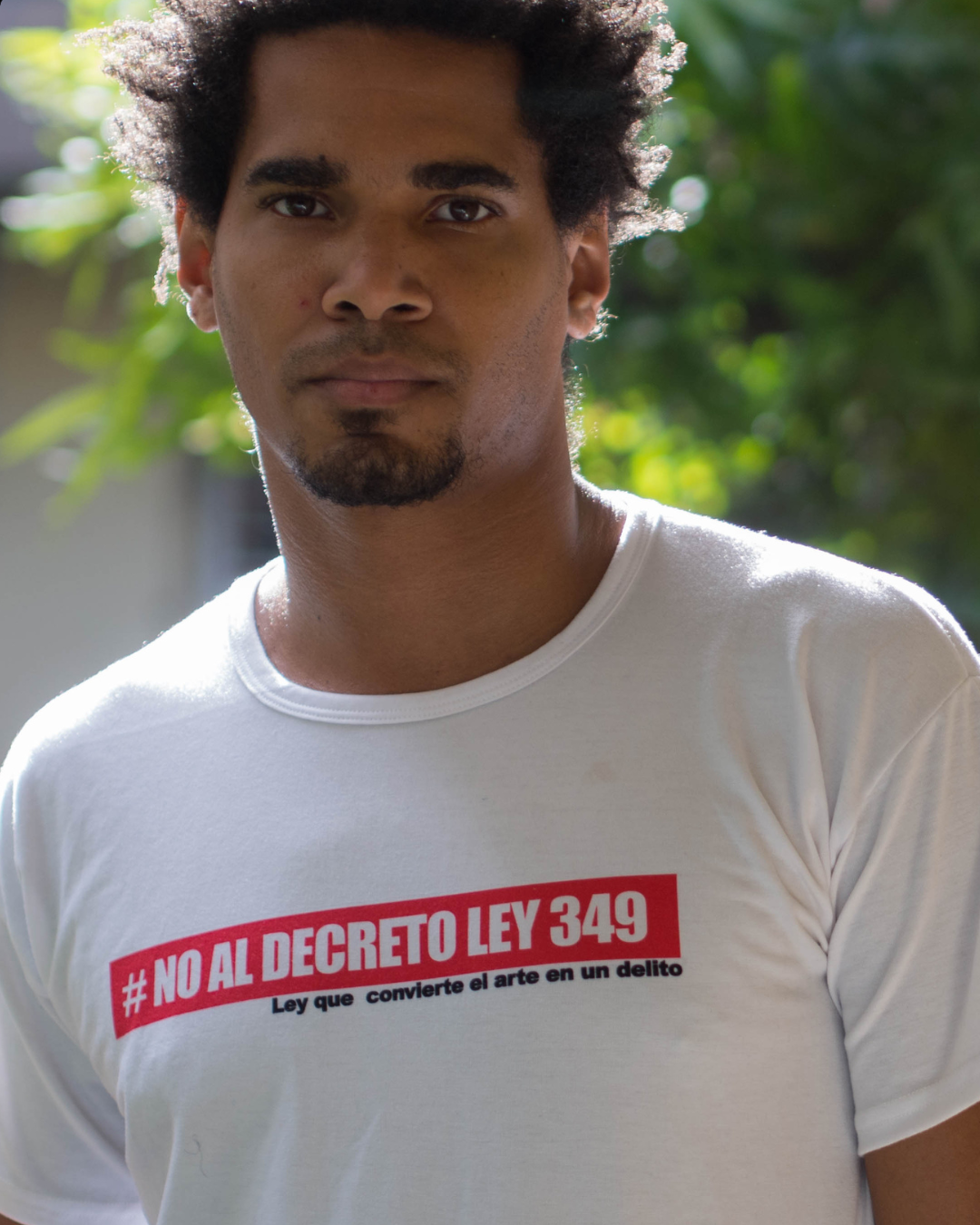
Luis Manuel Otero Alcántara
Renowned performance artist and San Isidro Movement member. Arrested multiple times since 2018 for public art and protests, currently serving a 5-year sentence imposed in mid‑2022
Félix Navarro Rodríguez
Coordinated UNPACU after the Black Spring. Arrested during the 11J protests in July 2021, released in January 2025, and re-detained in April 2025 for parole violations
Maikel Osorbo
Currently imprisoned under harsh conditions; recognized as a prisoner of conscience by Amnesty International
Sign In
La contraseña debe tener un mínimo de 8 caracteres de números y letras, y contener al menos 1 letra mayúscula