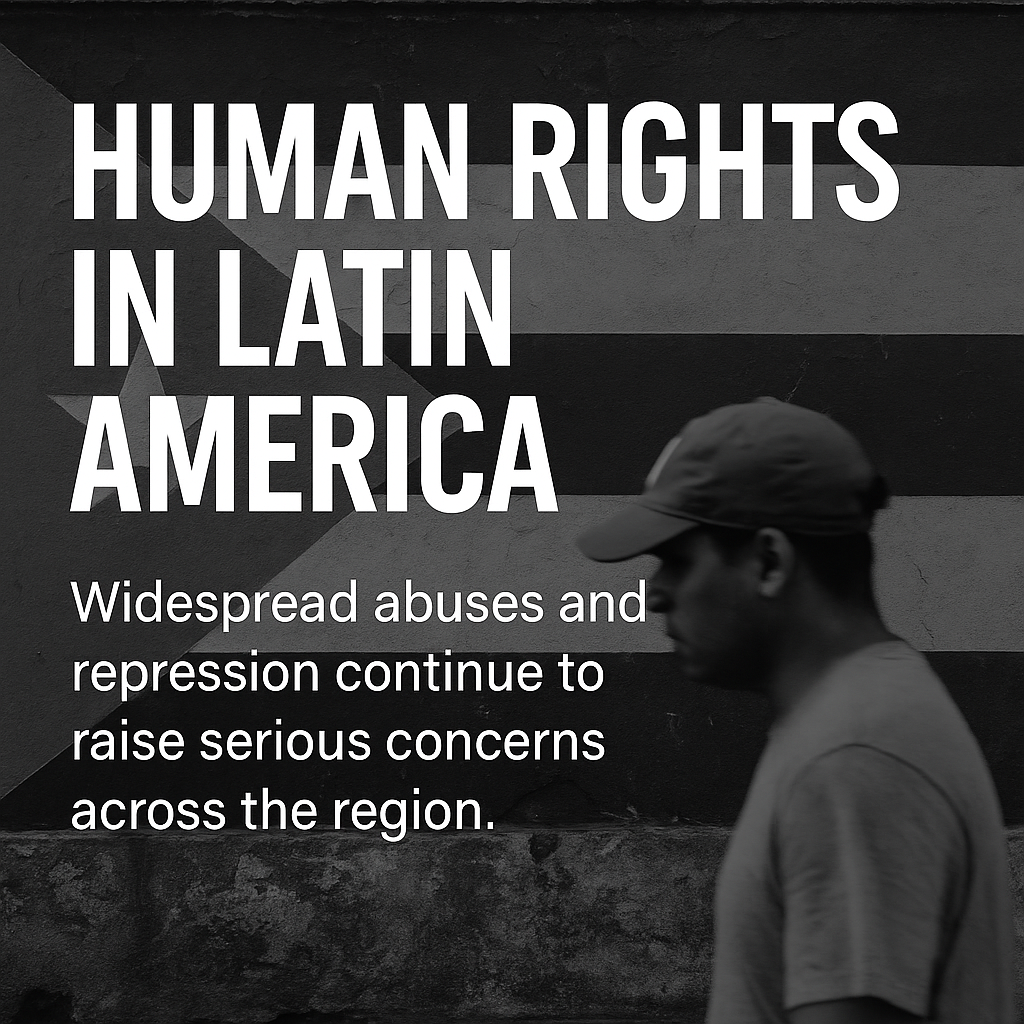
Human rights in Latin America face serious challenges, with authoritarianism, repression, and impunity affecting freedoms in countries like Cuba, Nicaragua, and Venezuela. Despite this, civil society continues to fight for democracy.
Political prisoners
0
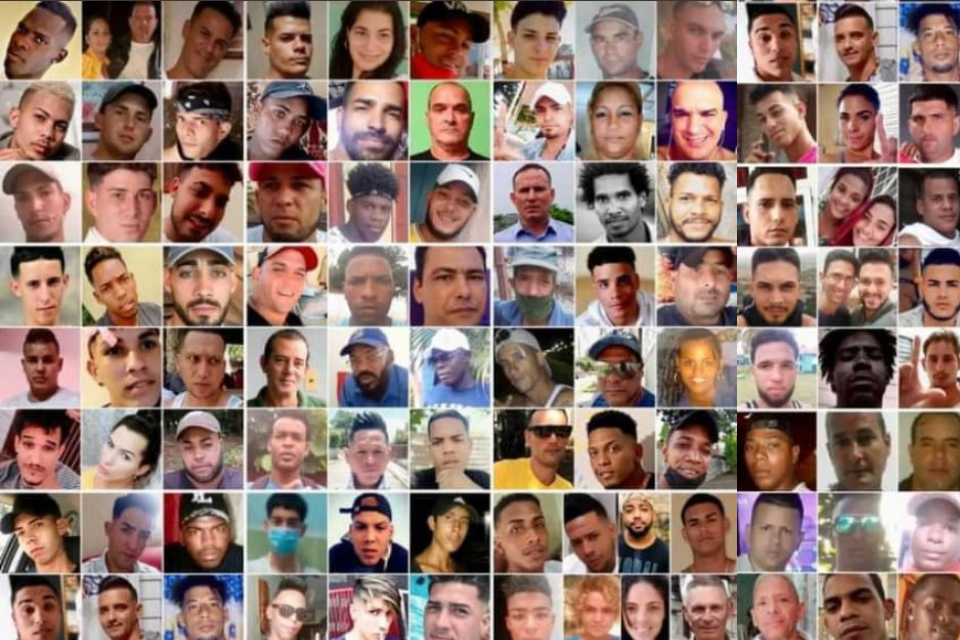
Confirmed deaths
0
Corruption cases
0
Status Report
Venezuela
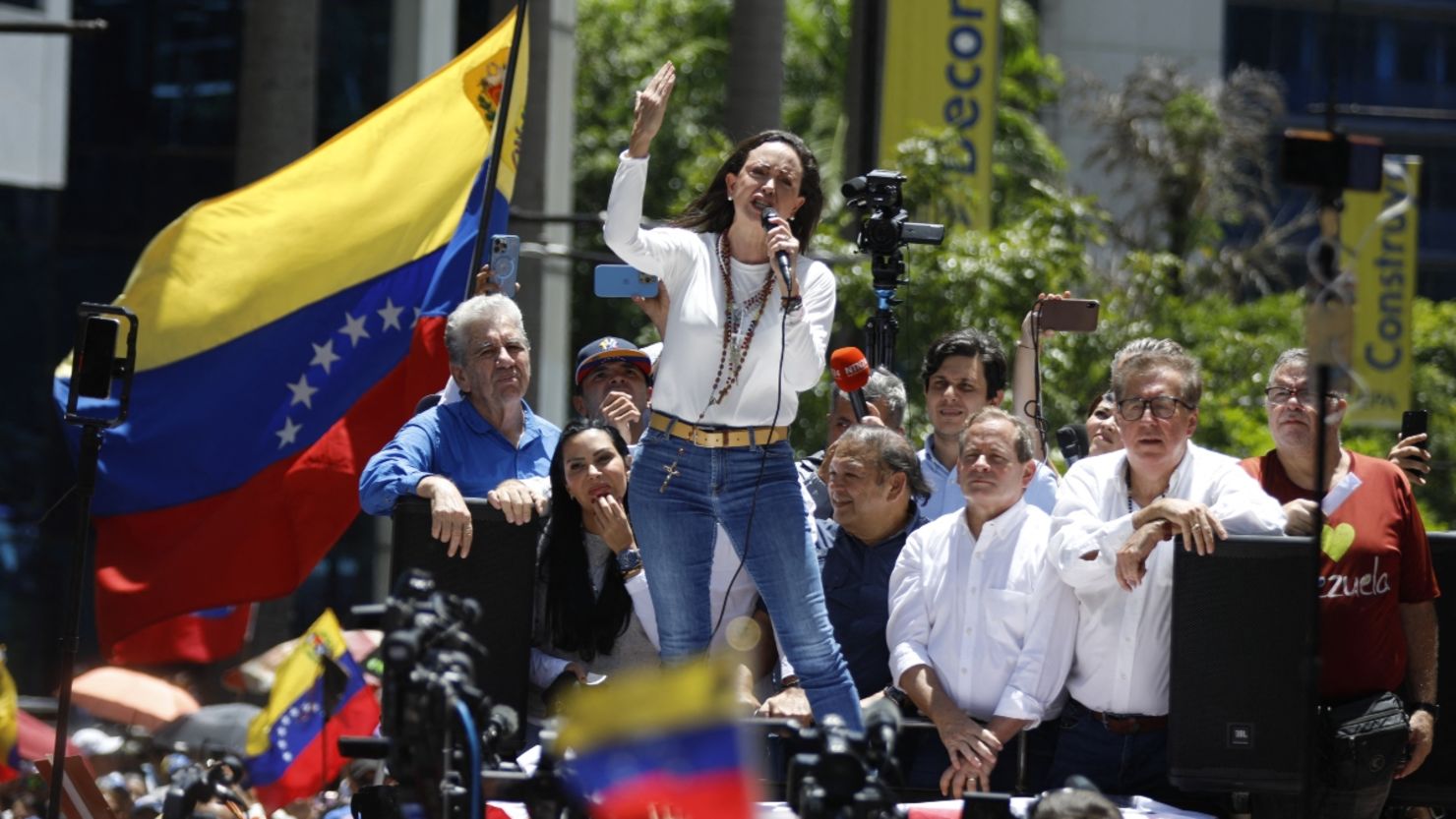
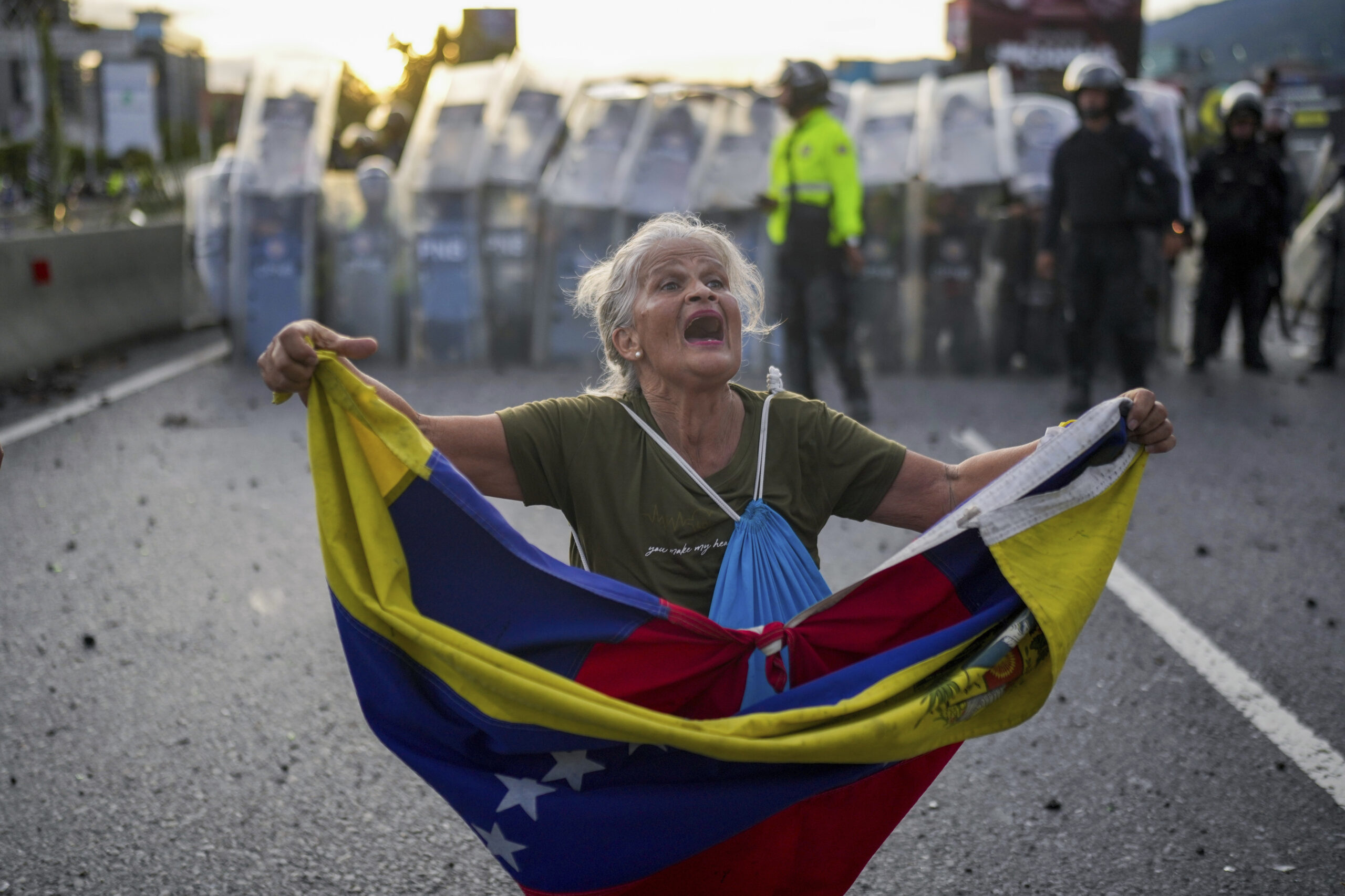
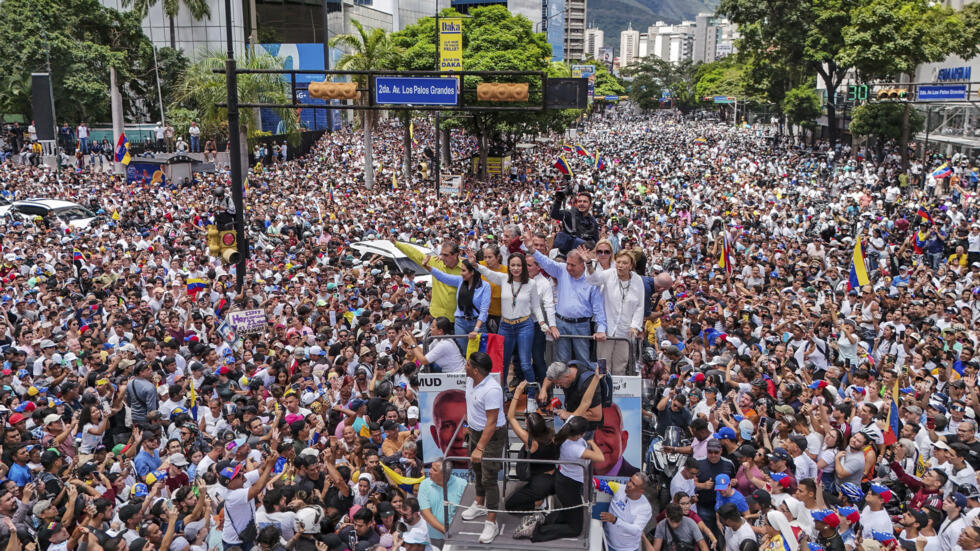
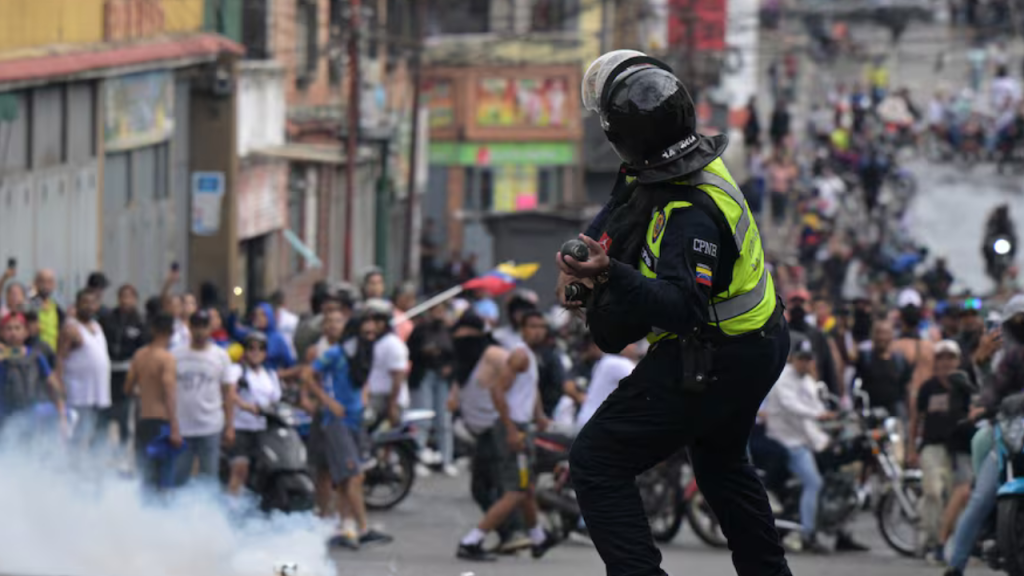
Venezuela is experiencing a deep human rights crisis, with widespread repression, political persecution, censorship, and systemic impunity, leaving victims without justice or protection.
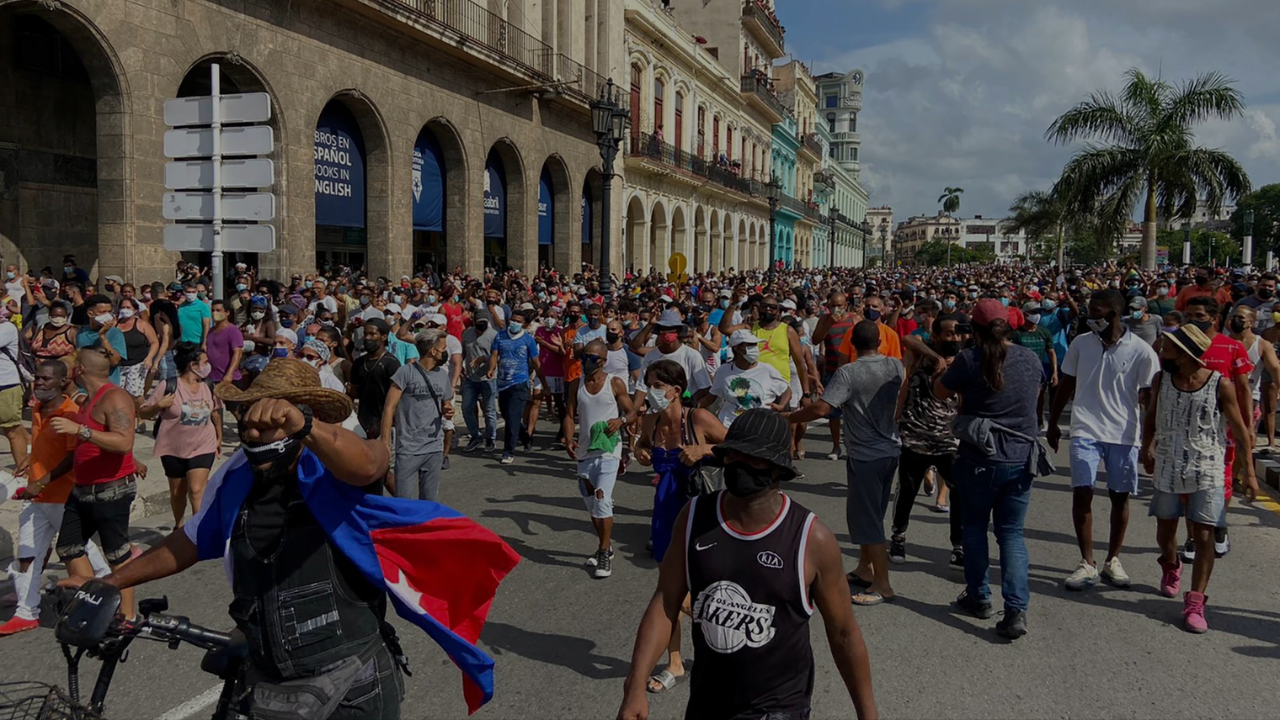
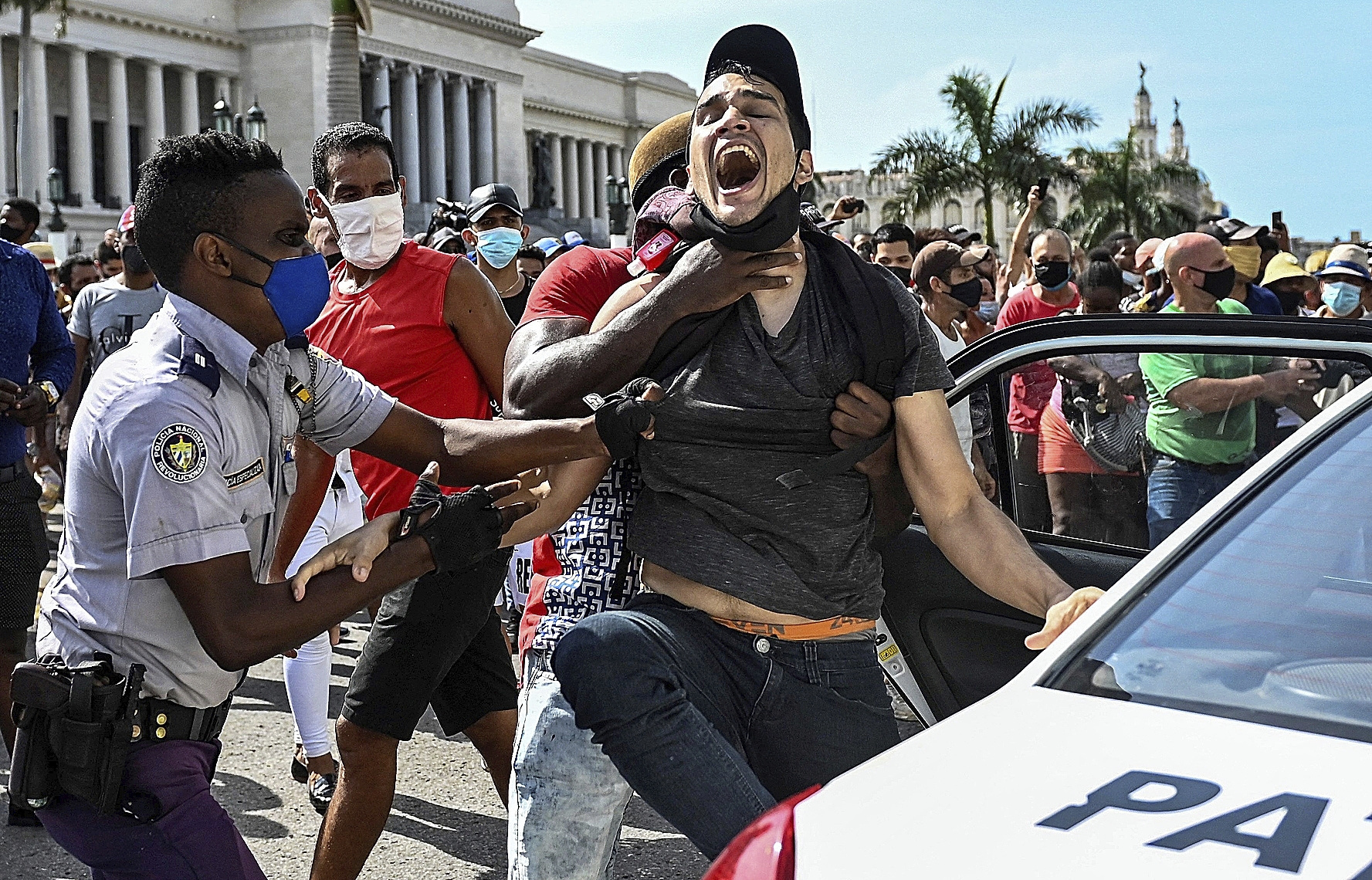
Cuba faces a severe human rights crisis marked by repression of dissent, mass surveillance, political imprisonment, and censorship, with activists, journalists, and ordinary citizens punished for demanding freedom.
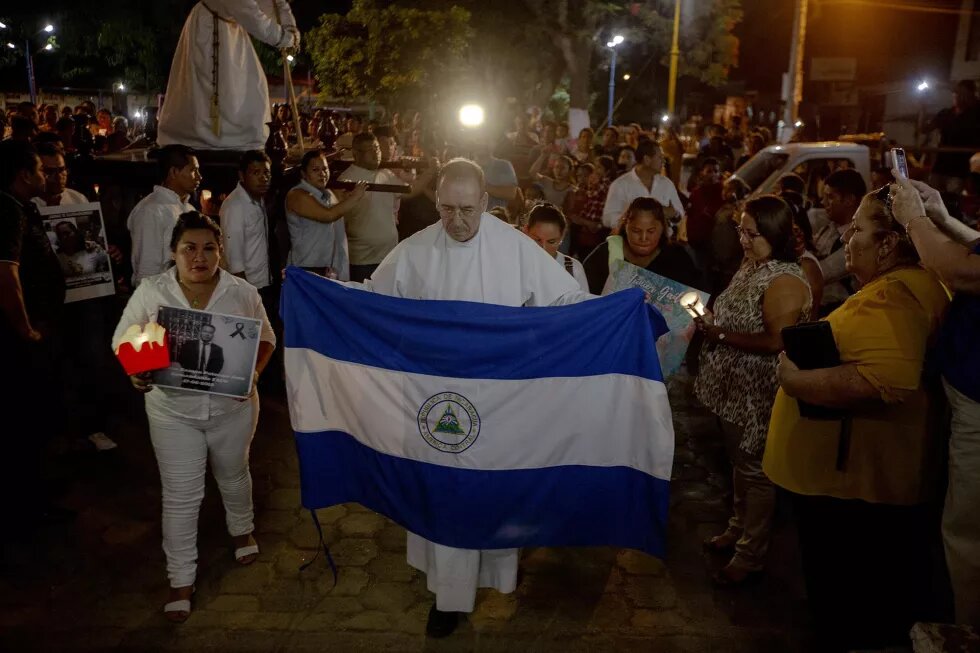
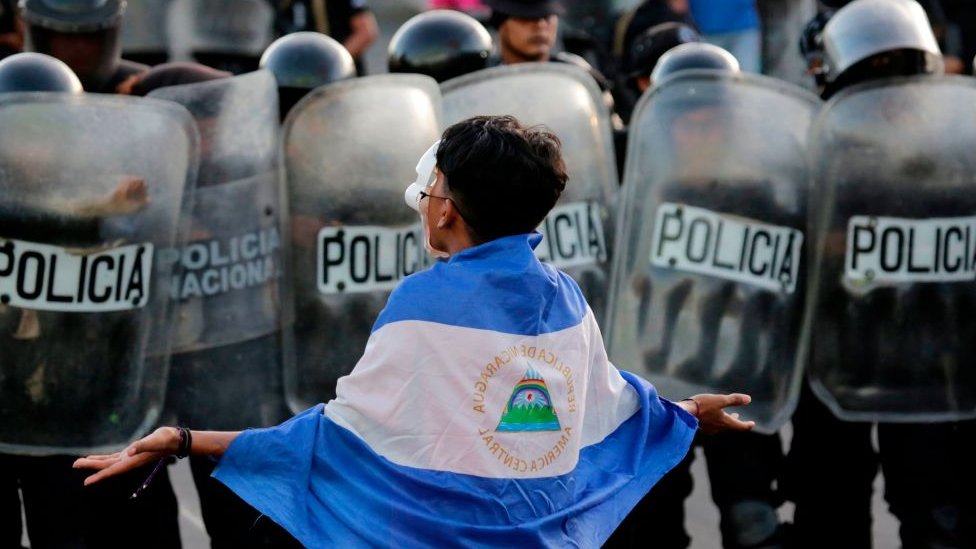
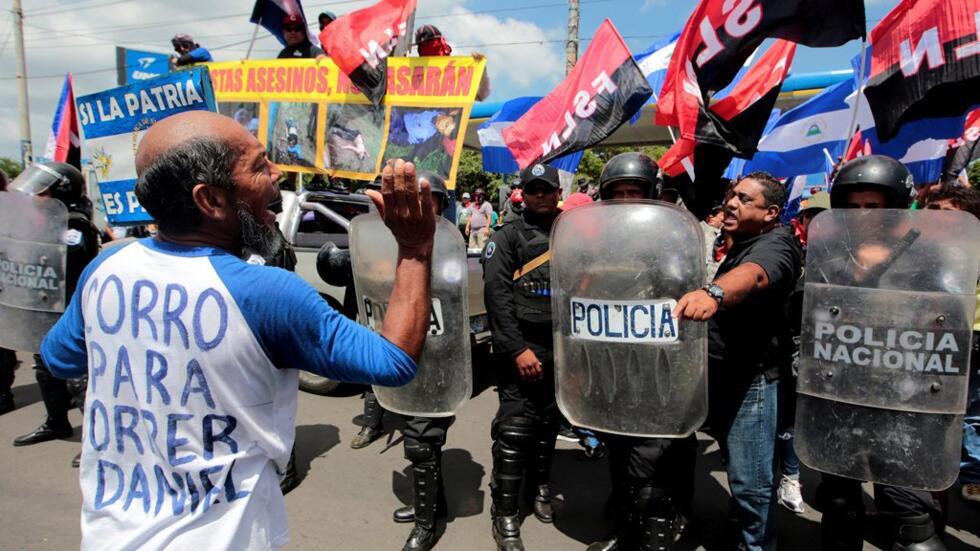
Nicaragua is undergoing a grave human rights crisis, where the Ortega-Murillo regime systematically represses dissent through arbitrary arrests, exile, censorship, and the criminalization of civil society, clergy, and opposition voices.
Latin America is a region of strength, diversity, and a relentless pursuit of freedom.
Latin America faces a growing human rights crisis marked by authoritarianism, political repression, corruption, and inequality. In several countries, governments are cracking down on dissent, persecuting activists and journalists, and weakening democratic institutions. Political prisoners, forced migration, excessive use of force, and restrictions on freedom of expression are widespread, especially in nations like Cuba, Venezuela, Nicaragua, and El Salvador. At the same time, structural issues such as poverty, impunity, and social exclusion continue to fuel instability and weaken the rule of law across the region.
Faces of Freedom
People
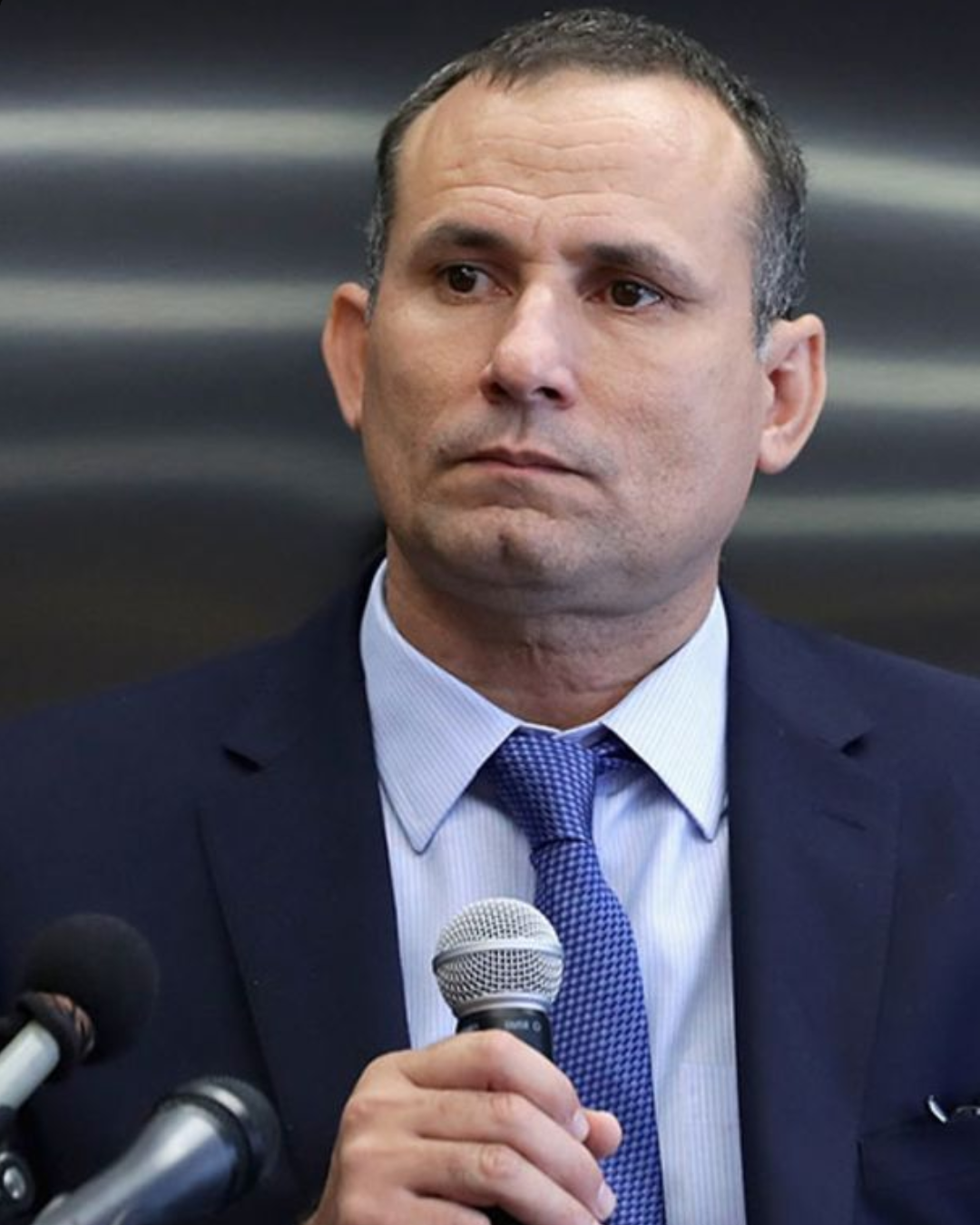
Jose Daniel Ferrer
Patriotic Union of Cuba (UNPACU)
José Daniel Ferrer García is one of Cuba’s most prominent opposition leaders, a former political prisoner, and the founder of the Patriotic Union of Cuba (UNPACU)—one of the island’s largest and most active dissident organizations.
He was one of the 75 political prisoners arrested during Cuba’s 2003 “Black Spring” crackdown, and sentenced to 25 years for peacefully promoting democratic reforms.
Released in 2011 as part of a negotiated deal with the Catholic Church and the Spanish government, Ferrer refused exile and remained in Cuba to continue his activism.
In 2011, he founded UNPACU, a nonviolent civic resistance movement advocating for civil liberties, human rights, and multi-party democracy in Cuba.
Since then, he has been repeatedly detained, surveilled, beaten, and imprisoned, often without due process or legal access.
According to organizations such as Amnesty International and Prisoners Defenders, Ferrer remains arbitrarily detained under inhumane conditions, with limited access to medical care or family contact.
José Daniel Ferrer is internationally recognized as a prisoner of conscience and a symbol of peaceful resistance to Cuba’s authoritarian regime. His case reflects the broader pattern of repression against independent voices on the island.
54
Days in prison
53
Years
25
Years of activism
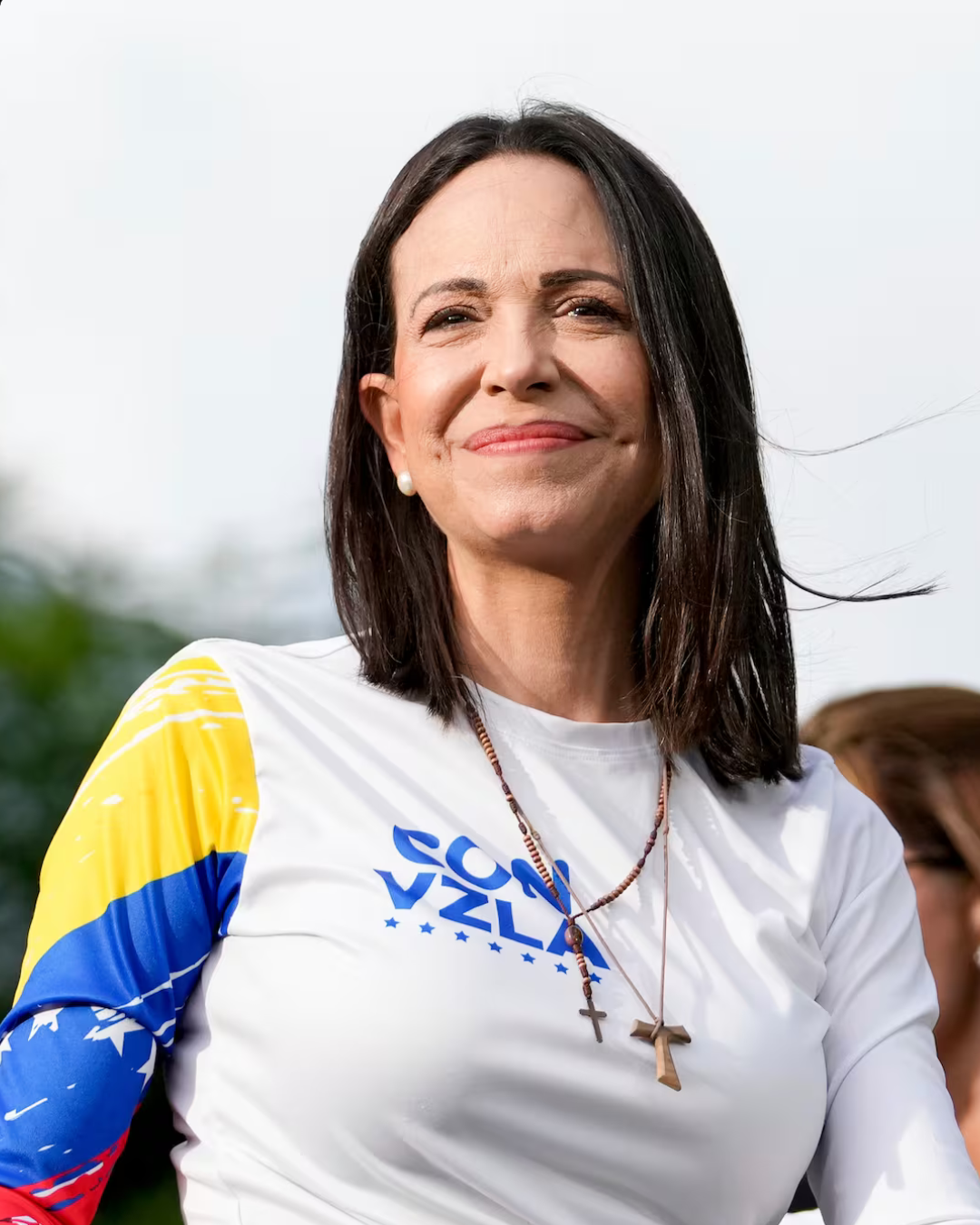
María Corina Machado
Vente Venezuela
María Corina Machado is a prominent Venezuelan opposition leader, engineer, and human rights advocate. She is the founder and leader of the political movement Vente Venezuela, known for its strong pro-democracy and liberal stance.
Born: October 7, 1967, in Caracas, Venezuela
Background: Industrial engineer by training, educated at Universidad Católica Andrés Bello and Yale University
Political Career:
Co-founded Súmate, a civil society group that promoted electoral transparency during the Chávez era
Elected as a member of the National Assembly in 2010
In 2014, was expelled from parliament after denouncing human rights abuses at the OAS
Founded Vente Venezuela, advocating for democratic transition, individual liberties, and free markets
56
Years
20
Years of activism
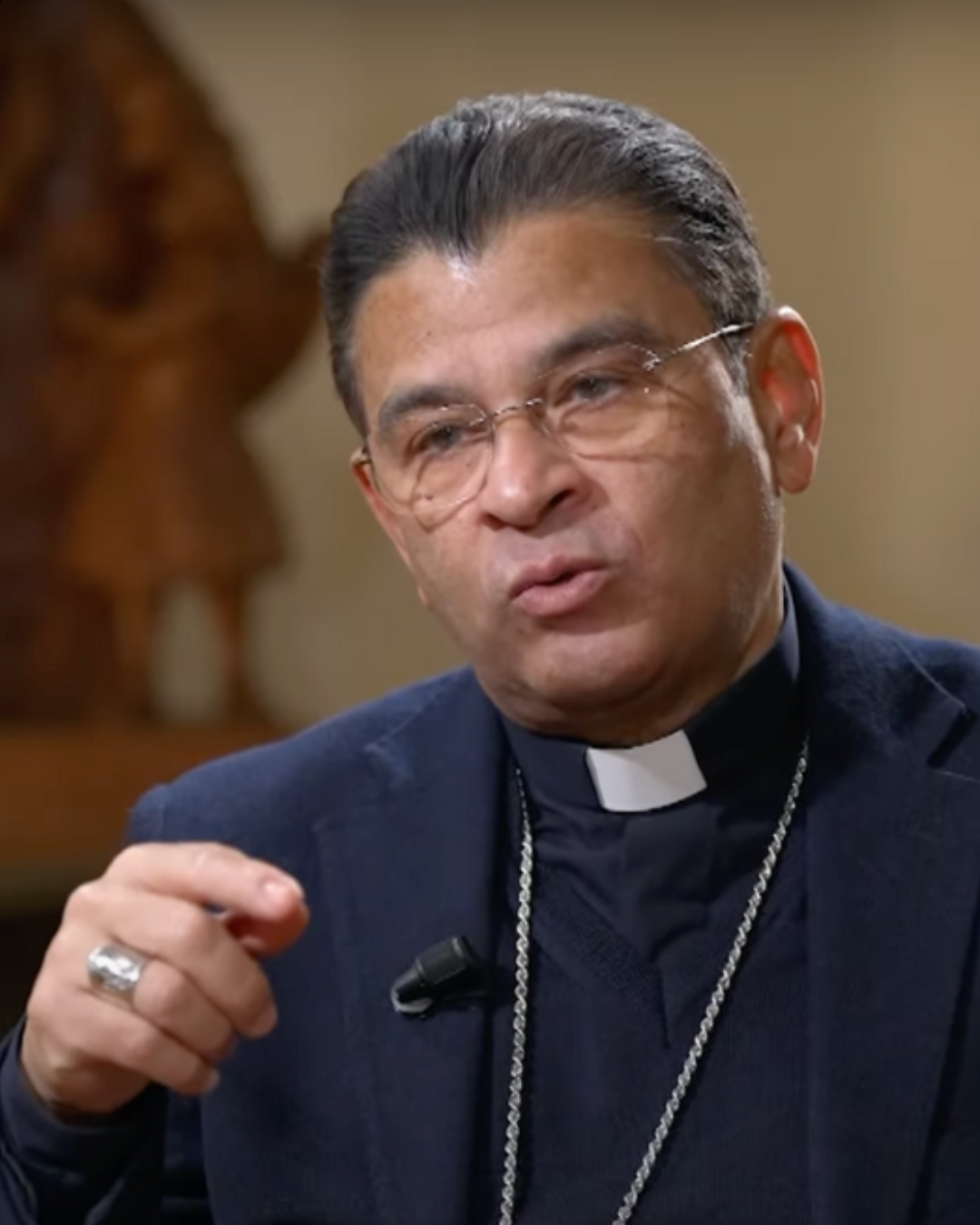
Monseñor Rolando Álvarez
Patriotic Union of Cuba (UNPACU)
Rolando José Álvarez Lagos is the Bishop of Matagalpa and one of Nicaragua’s most prominent religious and moral figures. He has become an international symbol of peaceful resistance, known for his fearless defense of human rights, freedom of expression, and dignity under an increasingly authoritarian regime.
Born: November 27, 1966, in Managua, Nicaragua
Position: Bishop of Matagalpa and Apostolic Administrator of Estelí
Known for:
Denouncing state repression, especially after the 2018 protests
Defending the rights of persecuted Nicaraguans and victims of political violence
Providing pastoral care to marginalized communities
Persecution and Imprisonment:
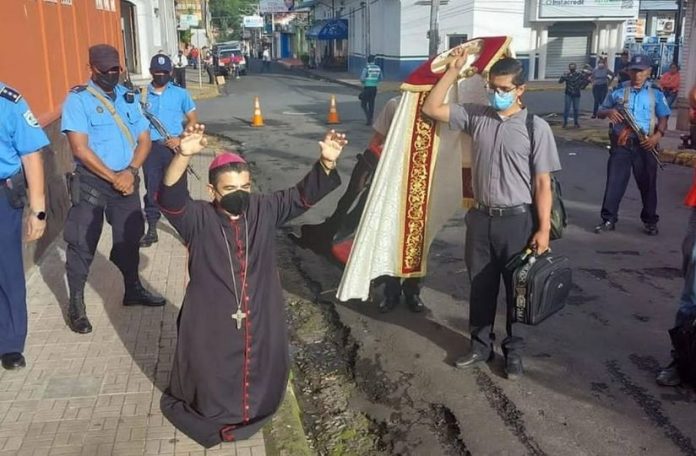
In August 2022, he was forcibly confined in his diocesan residence by police for several days and then arrested without due process.
In February 2023, he was sentenced to 26 years in prison on charges of “treason” and “spreading false information”—after refusing forced exile.
When 222 political prisoners were deported to the U.S. in 2023, Álvarez refused to leave without full freedom and was imprisoned in La Modelo, Nicaragua’s most notorious prison.
In January 2024, following international pressure, the regime expelled him to the Vatican, where he now resides under Church protection.
Sign In
La contraseña debe tener un mínimo de 8 caracteres de números y letras, y contener al menos 1 letra mayúscula