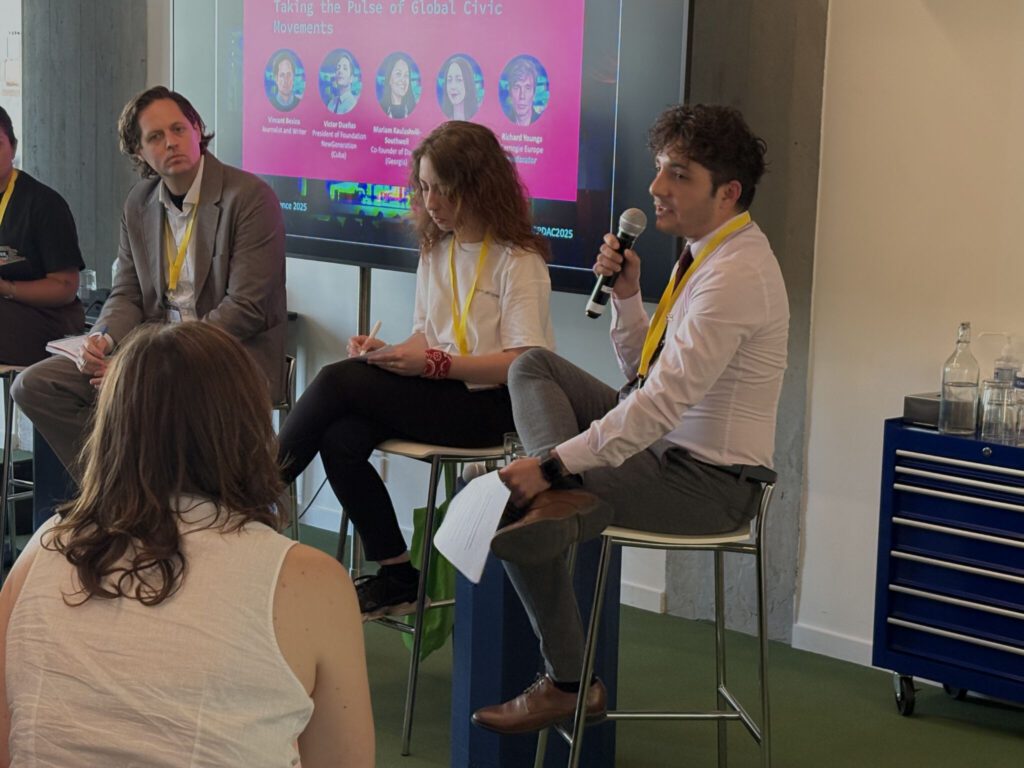
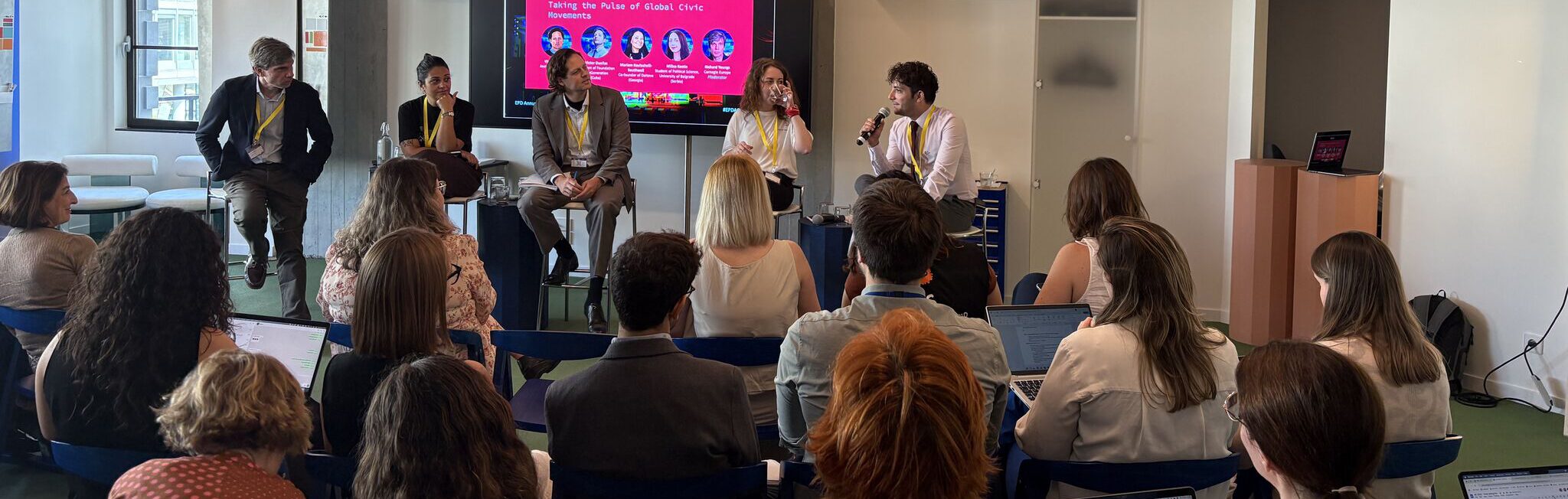
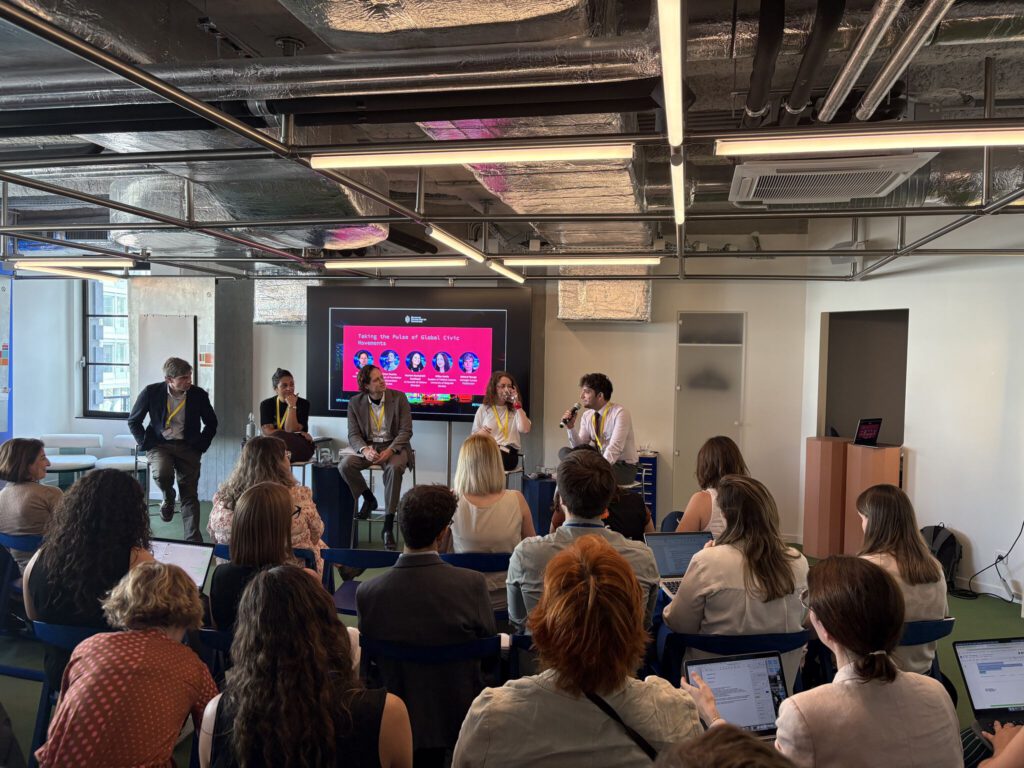
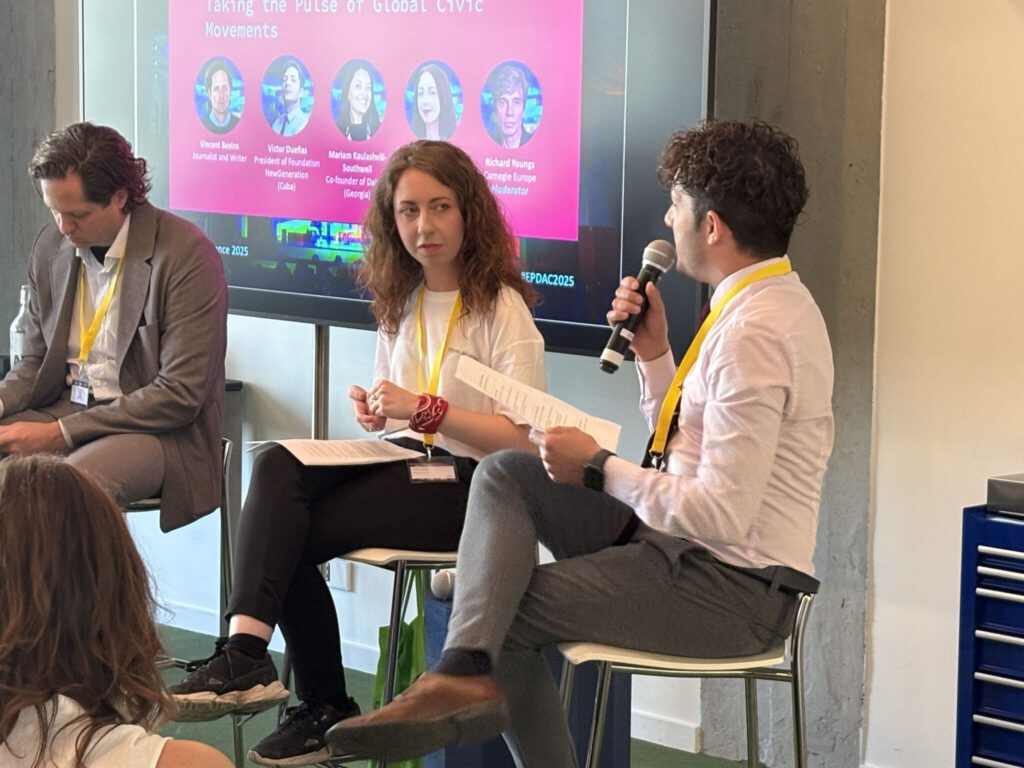
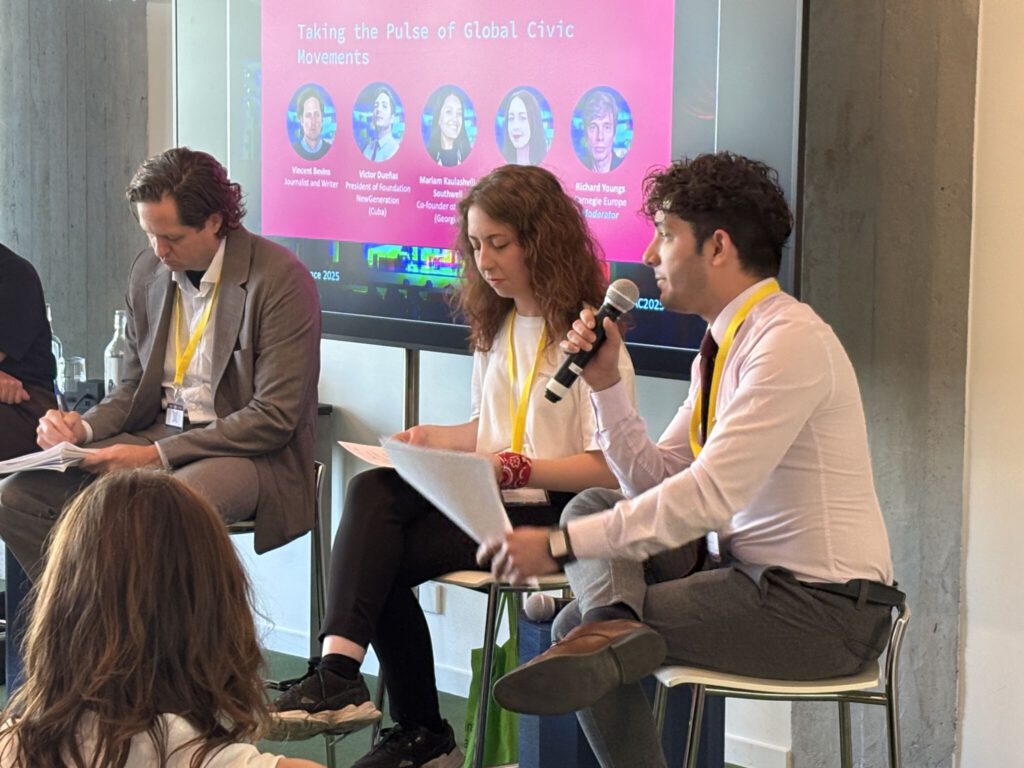
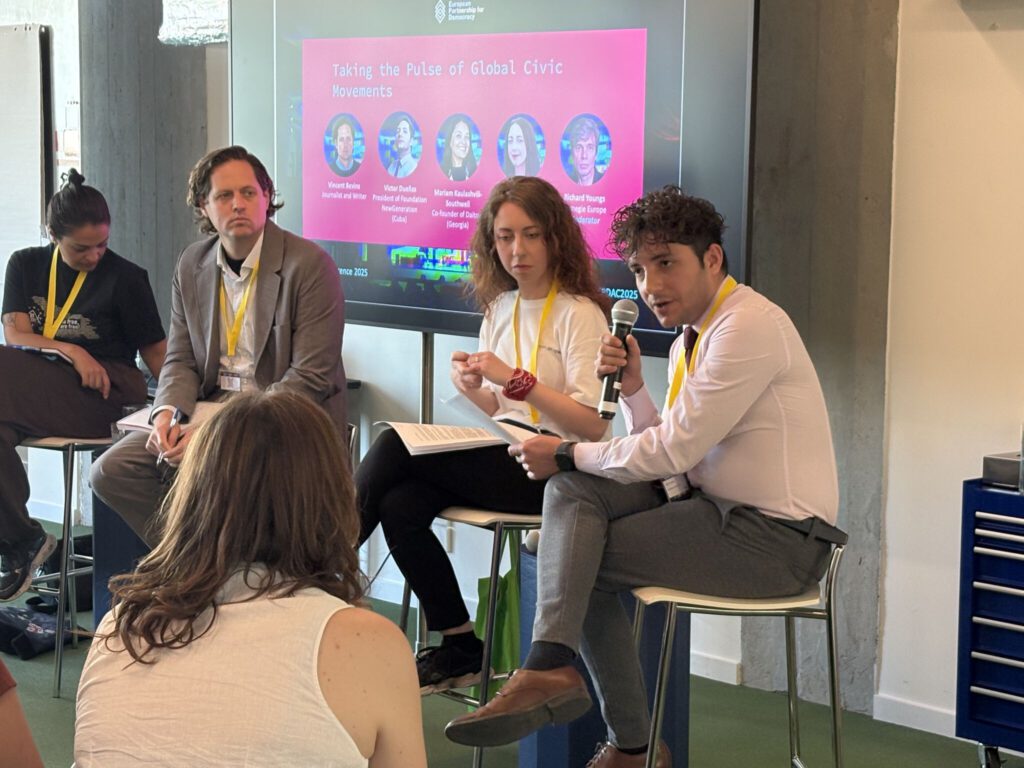
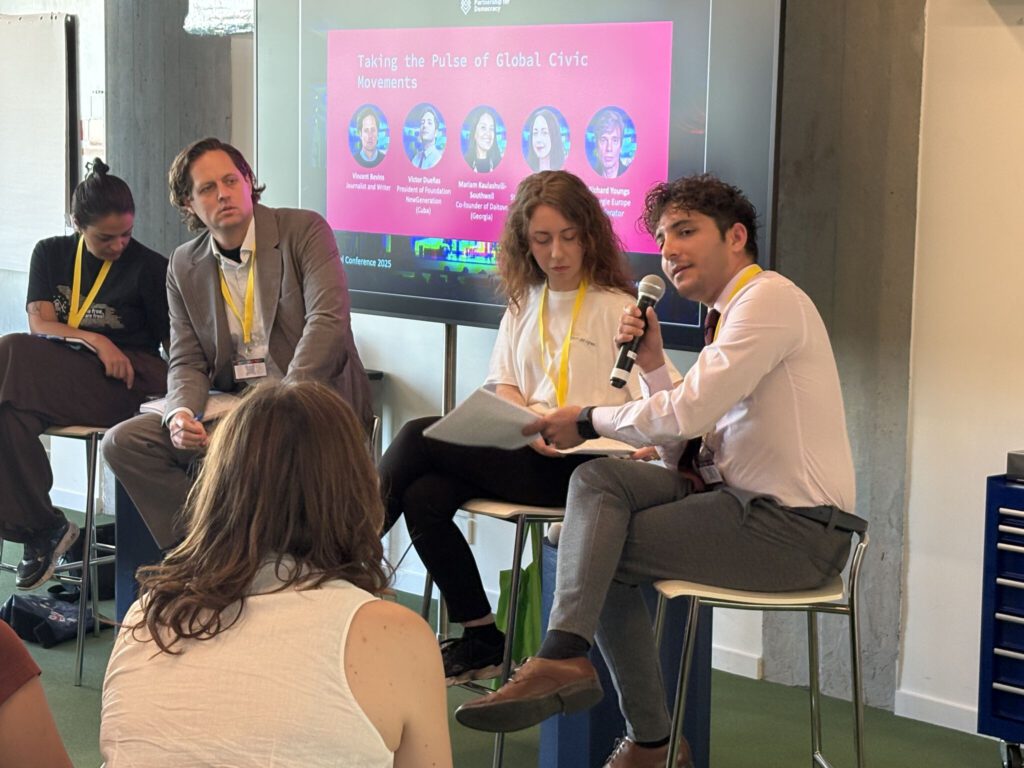
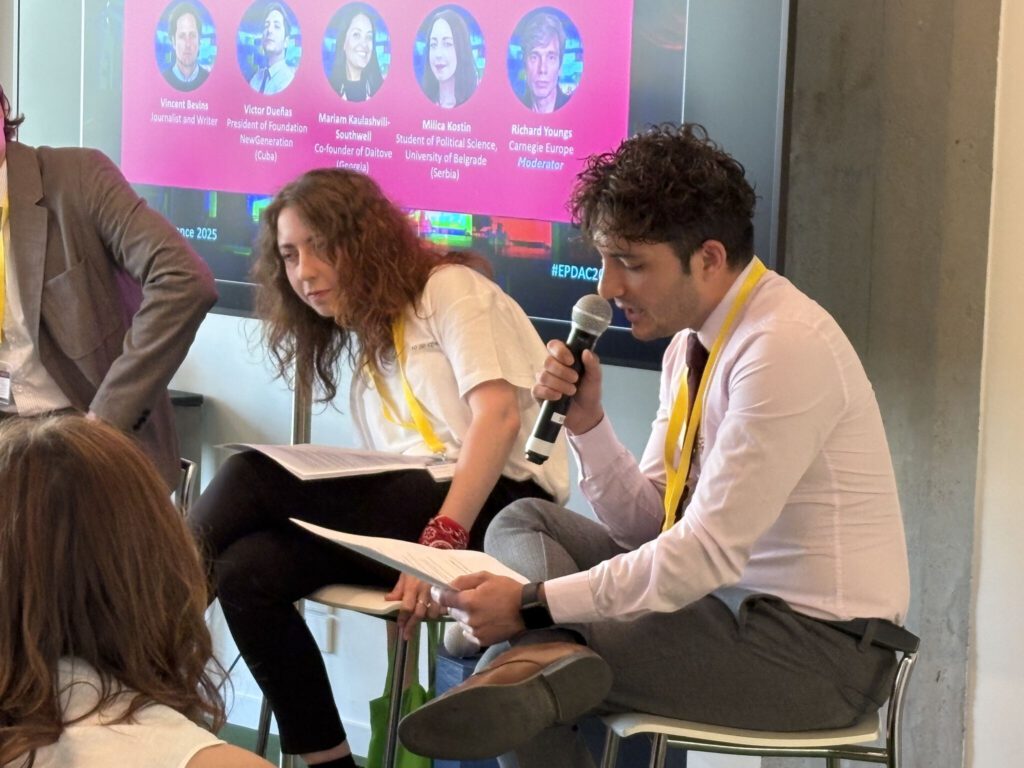
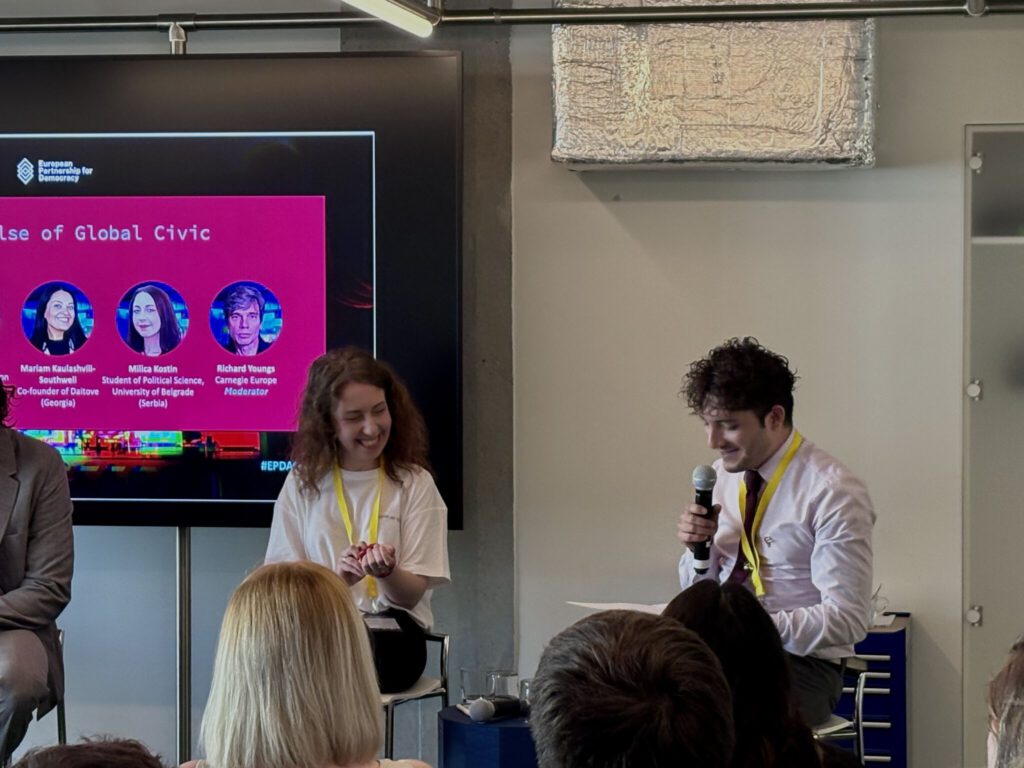
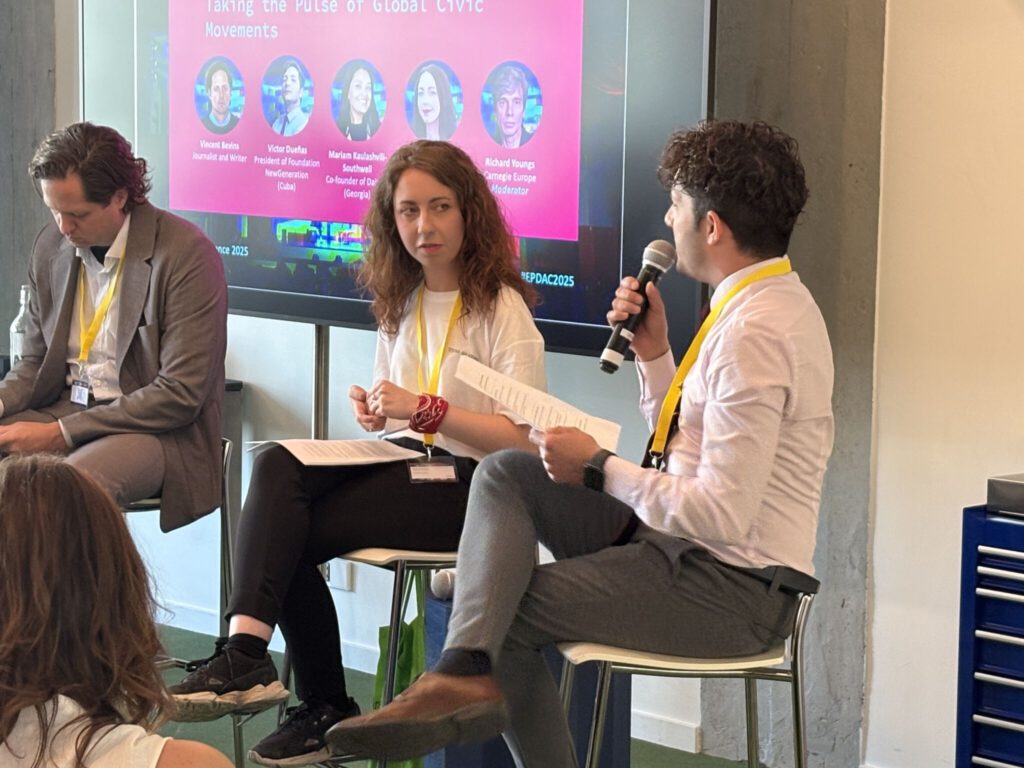
Brussels, June 2025 – Fundación NewGeneration, through its president Víctor Manuel Dueñas Otero, participated in the international panel “Taking the Pulse of Global Civic Movements”, held within the framework of the Annual Conference “Rebooting Democracy” hosted by the European Partnership for Democracy (EPD) at Sparks Meeting in Brussels.
The panel brought together voices from around the world to reflect on the challenges facing civil society under authoritarian regimes, the reconfiguration of protest in digital and transnational contexts, and the future of democratic activism beyond national borders.
The Cuban Case: A Laboratory of Repression and Civic Courage
In his intervention, Víctor Dueñas offered a detailed and urgent picture of the current Cuban reality. He described how the Cuban regime has institutionalized repression by eliminating legal frameworks for peaceful assembly, outlawing independent organizations, and using the Penal Code to systematically imprison those who dissent.
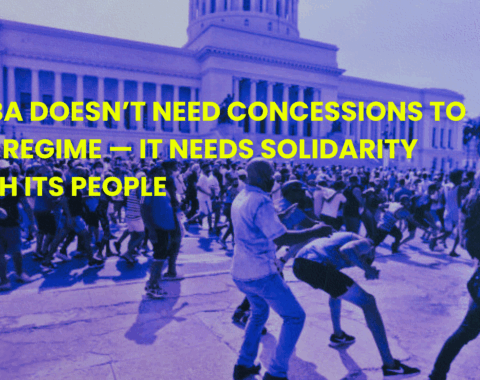
Referring to the 11J protests of July 2021, Dueñas drew a direct parallel with the reflections presented in Vincent Bevins’ book If We Burn. He explained how this spontaneous, decentralized civic explosion—led largely by young Cubans—was met with brutal repression, mass arrests, and long prison sentences. Without post-protest political infrastructure or international support, the movement’s momentum was severely curtailed.
New Waves of Resistance: Students Rise Against ETECSA
Dueñas also pointed to the recent wave of student protests in response to ETECSA’s abrupt increase in internet prices, which further restricts access to digital information and communication. In a country where public protest is criminalized, these actions—led by university students—represent a renewed expression of civic courage.
“These young people are not only rejecting digital exclusion,” he stated, “they are demanding a future where their voice matters, where access to knowledge is not a luxury, and where truth is not filtered by the regime.”
Cuba Decide: From Protest to Strategy
The president of Fundación NewGeneration emphasized the importance of Cuba Decide, the citizen initiative that proposes a binding plebiscite as a peaceful and democratic pathway for Cubans to choose their future political system.
Unlike many of the uprisings described in If We Burn, Cuba Decide offers structure, vision, and continuity. It supports political prisoners, trains young activists, and connects exiled and island-based communities through transnational civic action. It is one of the few democratic movements that works both inside and outside the island, bridging spontaneous resistance with long-term strategy.
A Call for International Coherence and Courage
One of the most critical moments in Dueñas’s remarks came when he addressed the lack of consistent and courageous international support, especially from democratic institutions in the Global North.
“Unfortunately, today we do not see the European Union as an ally to the Cuban people,” he said. “There is a growing disconnection between European diplomatic discourse and the harsh daily reality faced by students, journalists, artists, and activists in Cuba. Solidarity cannot be selective, and silence, in this case, equals complicity.”
He also highlighted the broader trend of civil society movements being left alone, particularly when their demands for freedom and democratic change challenge entrenched geopolitical or economic interests.
Commitment and Presence
Fundación NewGeneration’s participation in this conference reflects its ongoing commitment to the defense of democracy, human rights, and youth leadership in Latin America. By bringing the Cuban case to a European stage, the organization reinforces the urgent need for solidarity and international engagement with movements that seek real democratic transformation.
“We are here to remind Europe that Cuban youth are doing their part. They are resisting with courage, organizing with creativity, and dreaming with determination. What they need now is not more silence—but active and sustained support,” concluded Dueñas.